By Emi Hidaka, gut health expert and founder & president of Fukuoka-based sonomono Inc.
When people hear the phrase “wisdom for a long and healthy life”, they often imagine special methods or the latest superfood. Looking back at everyday life in Japan, however, I find the opposite to be true. Proverbs that have been passed down for hundreds of years, such as “Eat until you’re 80% full, and you’ll have no need for a doctor,” are not treated as the latest wellness trend; they are simply put into practice in daily life. They may not be particularly eye-catching, but it is these small, sustainable habits that are often the most effective approach to health and longevity. I want to introduce seven examples of Japanese wisdom that are unremarkable on the surface yet have stood the test of time.
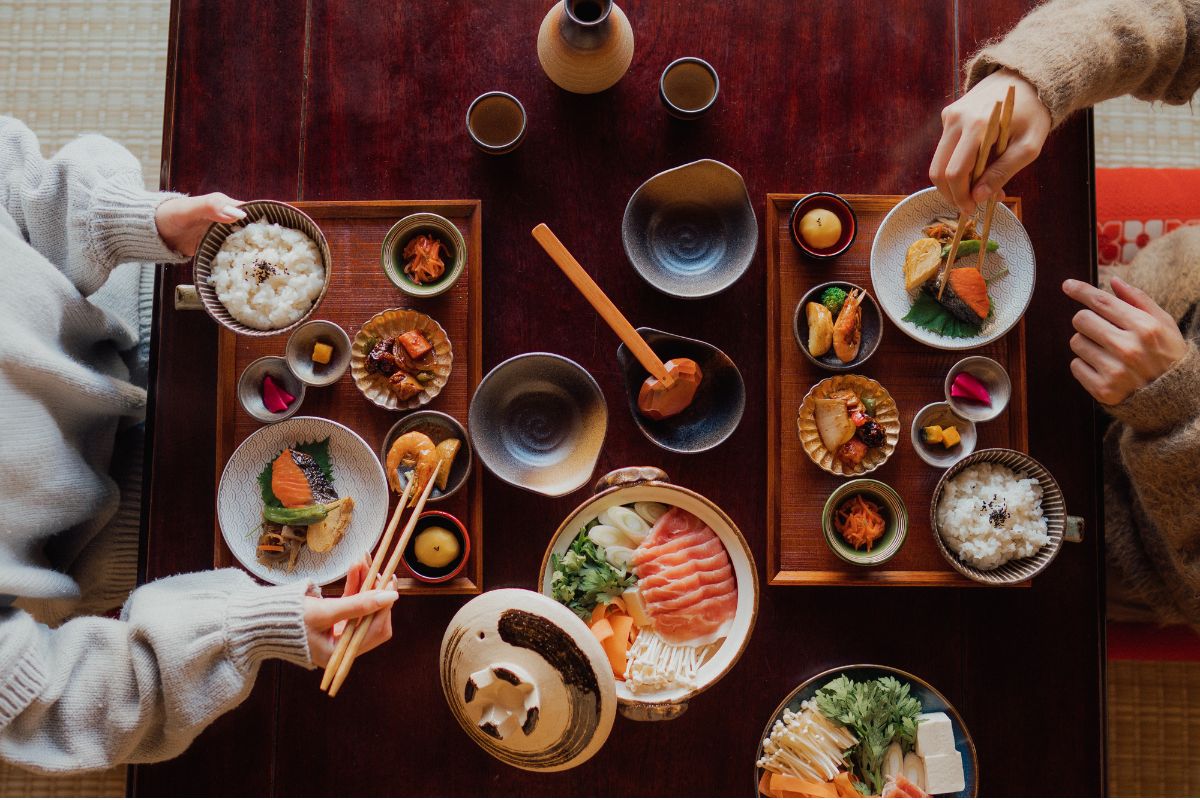
“Eat until you’re 80% full, and you’ll have no need for a doctor” (Hara hachi-bun me ni isha irazu)
This proverb encourages stopping eating when you’re about 80% full, rather than waiting until you’re completely stuffed. Since the brain takes a little time to register the sensation of fullness, stopping just before that point helps prevent overeating.
“Food and medicine share the same source” (IshokuDōgen)
This preventive health principle means that good health begins with everyday food rather than medicine. Instead of relying on treatment after becoming unwell, the emphasis is on maintaining health through a balanced diet. Traditional Japanese fermented foods such as natto, miso, soy sauce, kōji and nukazuke (rice bran pickles) are familiar examples of this way of thinking.
“Early to bed and early to rise keeps illness away” (Hayane hayaoki yamai shirazu)
This proverb means that going to bed early and getting up early help you stay healthy. A regular sleep routine is believed to regulate the body’s internal clock, contributing to overall health and the prevention of lifestyle-related diseases.
“Illness begins in the mind” (Yamai wa ki kara)
This long-held belief reflects the idea that your state of mind affects your physical health. Managing stress and maintaining a positive outlook are thought to reduce the strain on the body, reflecting the Japanese conception of mind and body as inseparable entities.
Radio Calisthenics (Rajio Taisō)
Introduced in 1928, Radio Taisō is a series of simple calisthenics broadcast nationwide on NHK every morning at 6:30 a.m., making it a familiar part of everyday life across Japan. During the summer holidays, children still gather in parks to perform the routine each morning, while many factories and workplaces continue the tradition at the start of the working day. Rather than focusing on intensive exercise, its value lies in the habit itself: spending just three minutes each day moving the whole body in a routine that anyone can follow. It has long been embraced as a simple and sustainable way to stay active.
The habit of soaking in the bath (Yubune ni tsukarushūkan)
Rather than ending the day with a quick shower, many people take the time to soak in a hot bath. As the body gradually warms, there is often a sense of tension easing from both the shoulders and the mind. Warming the body from the core promotes relaxation, releases the stresses of the day and encourages a more restful night’s sleep.
Making prevention a normal part of life (Yobō o atarimaeni suru)
In Japan, regular yearly health check-ups through employers or local authorities are a well-established part of everyday life. Many people also choose to have more comprehensive medical examinations, known as ningen dock. The focus is on prevention and early detection, rather than waiting until health problems appear. Taking time once a year to check in with your health can make a significant difference in the long run.
About the expert
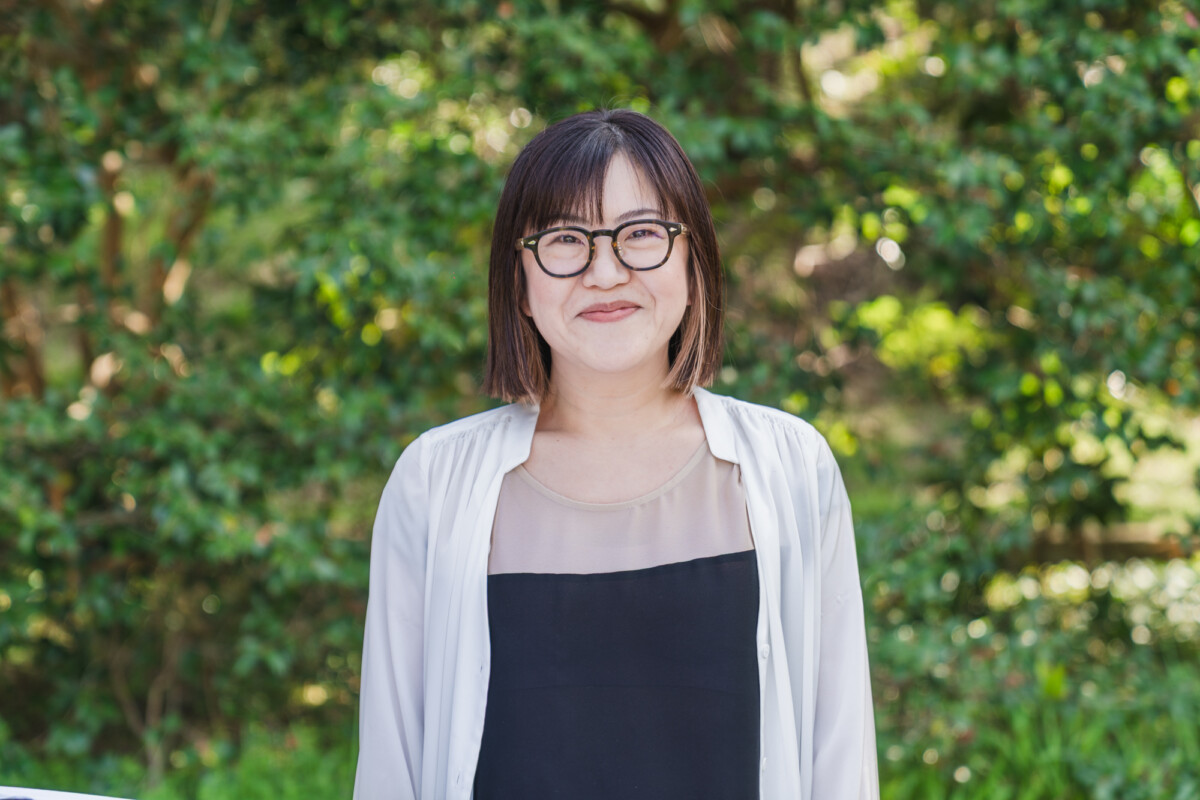
Emi Hidaka is the founder and president of Fukuoka-based sonomono Inc. A certified Supplement Advisor and Fermented Food Sommelier, Emi is a leading expert in gut health. Her mission is rooted in the philosophy of “sonomono” (meaning “as it is”), ensuring that the pure, evidence-based benefits of traditional Japanese nutrition are delivered to a modern audience without unnecessary additives.
Central to Emi’s work is nattō, a 1,000-year-old Japanese superfood renowned for its links to longevity, cardiovascular health, and immunity. While its pungent aroma and texture can be an acquired taste, Emi has revolutionised its accessibility through sonomono™ Nattō Powder Capsules, available in the UK by Living Alpha. By using a specialised freeze-drying process and the exclusive sonomono nattō bacteria™ strain, she has created a way for the hardy Bacillus subtilis spores to survive stomach acid and thrive in the intestines. Today, Emi shares how she is transforming this nutrient-dense staple – rich in Vitamin K2, nattokinase, and essential amino acids – into a convenient global solution for digestive and total-body wellness.