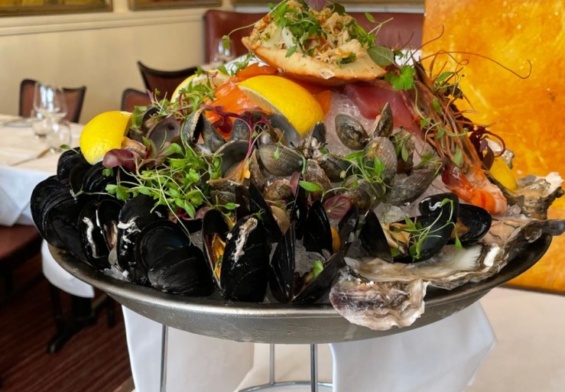
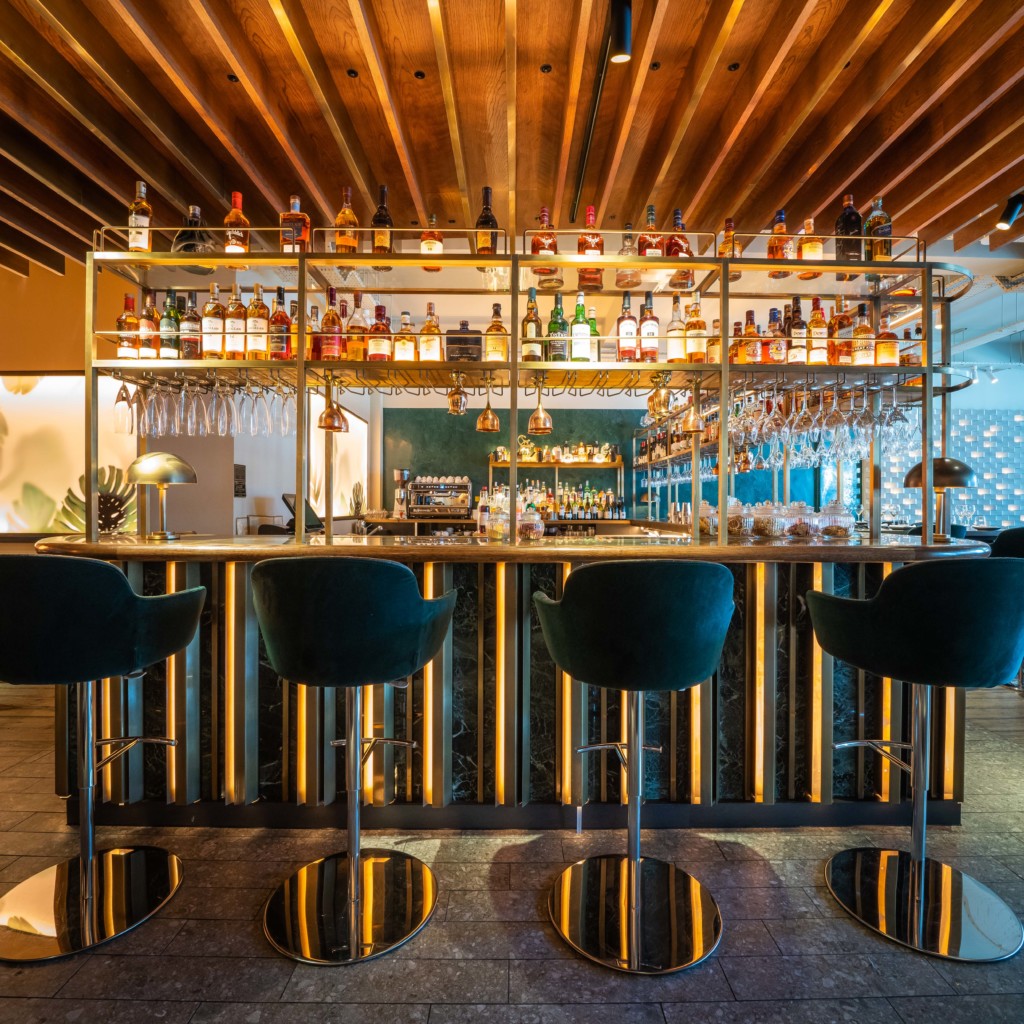
In an exclusive interview with Preneur World, Michelin-starred chef Simon Rogan MBE reflects on more than two decades of quietly transformative cooking, where flavour, land and responsibility are inseparable. From the early days of L’Enclume to a global restaurant group shaped by seasonality, sustainability and mentorship, Rogan speaks with rare clarity about vision, leadership and legacy. This is a conversation rooted in soil and craft, yet expansive in its ambition – exploring how great gastronomy can nurture people, places and purpose, while redefining what success truly looks like at the highest level of the culinary world.
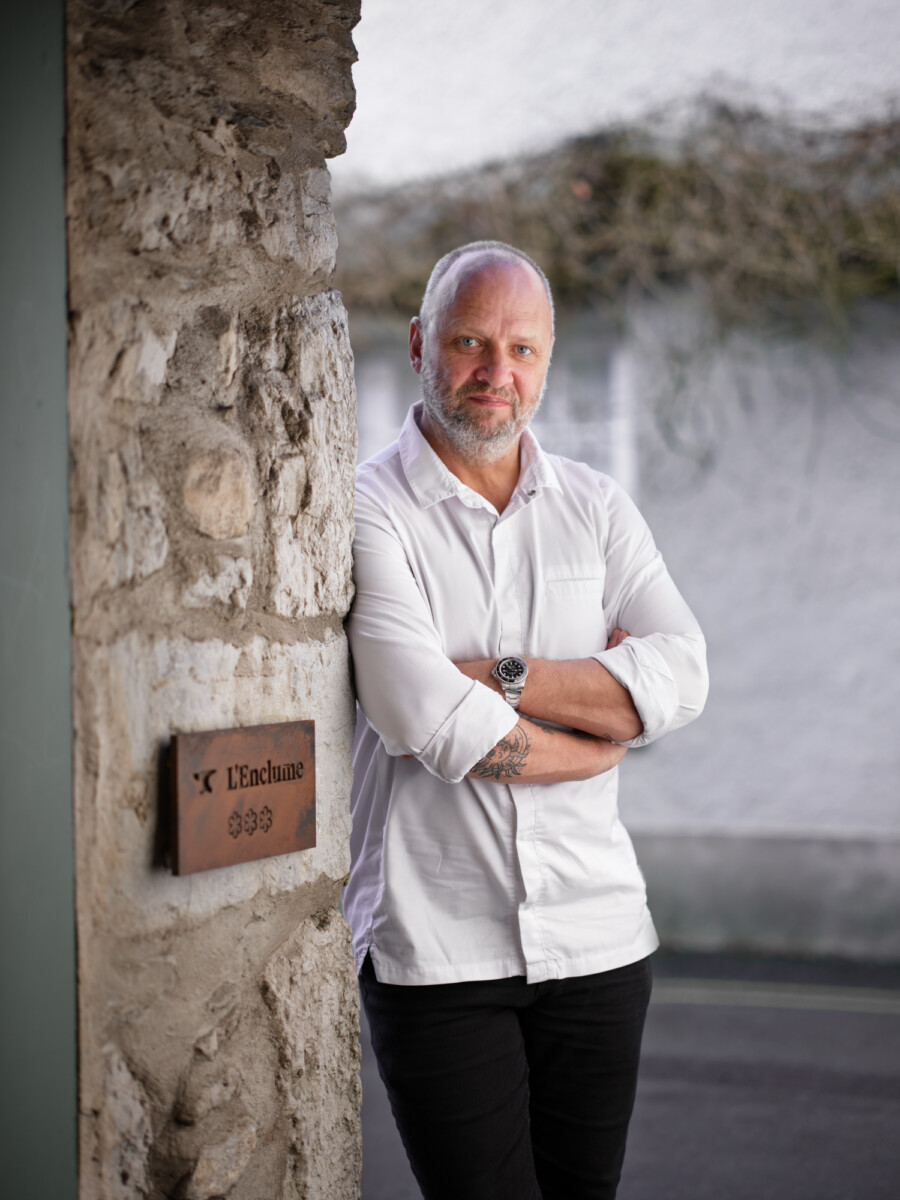
Looking back to when you opened L’Enclume in 2002, what inner drive or vision gave you the courage to build something so rooted in place and flavour?
I had known for some time that I wanted my own restaurant and had spent years imagining what it would look like. I had seen how dramatically flavour changed when using freshly harvested ingredients, and I knew I did not want to compromise on that. Ultimately, you could say my vision was driven by flavour and that the sense of place derived from it. Working with local ingredients means that everything I create reflects the soil and weather of this very specific place. When we started Our Farm, these principles were solidified. Not only are the flavours of the ingredients we are growing truly exceptional, but we’ve set a calibre for the produce we use.
Our Farm has become central to your philosophy. How has growing your own ingredients transformed not only you’re cooking but your mindset as a chef?
Growing our own changed everything. Firstly, it was a very steep learning curve for us as we’d never grown on this scale before. We’d done the odd bit of home gardening, but nothing like growing for three restaurants while meeting the standards we aspired to. However, even from the beginning, we were able to grow the way we wanted, without chemicals, pesticides, and fertilisers, limiting our impact on the local environment. It was so freeing to be able to choose exactly the varieties we wanted and grow them to the perfect size; it opened unexpected avenues of creativity.
Growing up altered my mindset as a chef because I had to be so much more adaptable. I had to attune myself to the growing season and be prepared for change when I least expected it. We could plan meticulously for the next season, only for heavy rain, wind, or prolonged heat to alter everything. Sometimes, crops we expected later arrived early, while others failed altogether. We’ve come to love this uncertainty; it instils a renewed appreciation for the work that goes into growing. In the kitchen, each item is treated with reverence because of it.
Your work is steeped in seasonality. Which winter ingredients excite you most, and how do they shape the poetry of your menus?
Ask anyone on my team and they’ll tell you that my favourite ingredients are brassicas. Kales, cabbages, broccoli. I love these vegetables as they are often underappreciated; they’re versatile and taste great. Not to mention, they are a very good crop to grow in The Lakes, where it rains a lot. I think the fact that they’re often overlooked helps to bring a sense of surprise to our guests; they’ve had them before, but not in the way we prepare and cook them.
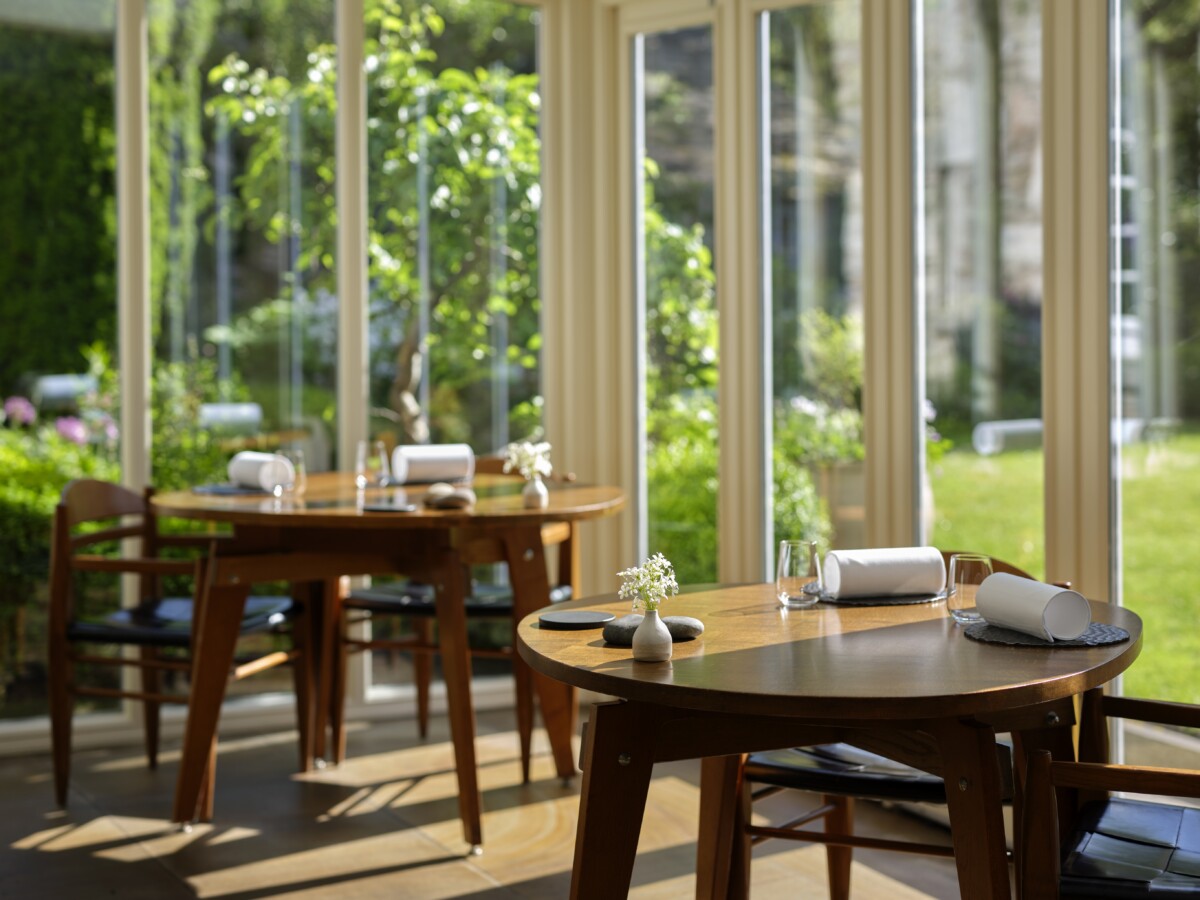
Nine Michelin stars and two Green Stars later, what do these accolades mean to you today compared to when you earned your very first star?
Each new star is as exciting as the first. The awards are recognition of countless hours of hard work, so no matter where we are in our journey at each restaurant, they are never taken for granted. I am particularly proud of our Green Stars because we were awarded them in the first year that they were introduced and were the only restaurant in Hong Kong to receive one that year. It was a moment that celebrated our ethos, particularly when it felt like we were going against the grain to create more sustainable restaurants.
In 2024, you received an MBE and became Vice President of Bocuse d’Or UK. How have these honours influenced your sense of responsibility within the industry?
Becoming an MBE and Vice President of Bocuse d’Or UK gave me the chance to champion our industry on a wider scale and to show aspiring chefs that it’s a serious and rewarding career.
Having worked for some amazing chefs, it was clear to me how important mentoring is in this industry. If you have an excellent teacher who is passionate about sharing knowledge, it’s infectious. So that’s one of the reasons we started our academy. We wanted to make sure the younger generation developed the skills necessary to work in fine dining restaurants. Through this apprenticeship, I, alongside a hugely talented team, can shape the next generation of chefs and front-of-house professionals.
Sustainability for you extends beyond nature into workplace culture. How do you balance nurturing your team with the high demands of fine dining?
We give all our teams at least three days off a week, which isn’t all that common in restaurants. The benefits are clear – our teams return refreshed, recharged, and more creative. We also organise team trips to suppliers or to go foraging, and we encourage outdoor activities like wild swimming or rock climbing. In the more traditional sense, we offer training courses such as WSET qualifications, mental health first aid, management and more.
We are all constantly learning, and we respect each other’s opinions, which gives everyone a sense of ownership over the work they create and the dishes we’re putting together.
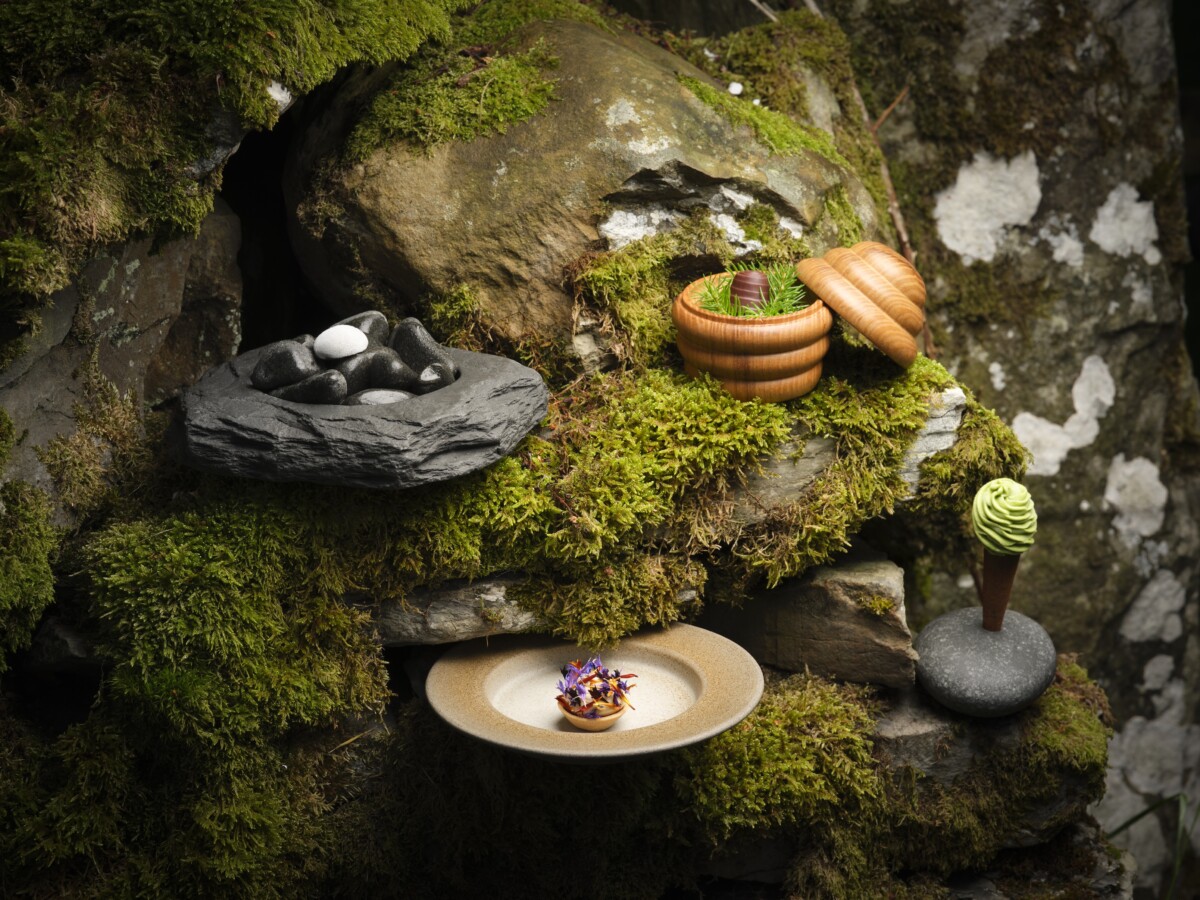
In your view, what role does gastronomy play in shifting society’s relationship with food, farming, and the environment?
It’s essential, especially in terms of changing attitudes towards seasonality and locality. Chefs have the opportunity to help change our food system for the better with every single purchase they make. They can introduce their guests to local farmers and growers who are farming in the right way, rather than relying on big supermarkets, which are driven by price rather than quality.
I also think it goes both ways; we’ve seen such a big shift in the last 10 to 15 years, with a much greater demand for conscious cooking and ethical sourcing. It’s encouraging to see our guests taking an interest in how their food is grown.
When you open restaurants abroad, from Malta to Thailand, how do you preserve the spirit of Cartmel while embracing the culture and produce of each new home?
We replicate our approach to sourcing and growing in each location we operate in, taking the heart of Cartmel and all the learnings we’ve made with us. We seek out the best growers, farmers and fishermen and build strong relationships with them. The people we work with are an extension of our kitchen, applying the same ethos, drive, and attention to detail. By forming partnerships with these local producers, we can better understand and have a greater say in how the ingredients we use are grown. We learn from these experts on a daily basis; they teach us invaluable lessons about native ingredients.
In Thailand and Hong Kong, we have our own small growing operations, so we decide what to grow, when it is harvested and how it is prepared. Provenance and traceability – crucial standards that are in place at all our restaurants worldwide.
All our chefs have a deep understanding of preserving the seasons, something which underpins our menus across our restaurants and stems from our development kitchen, Aulis Cartmel. We have learnt the hard way that we must work to preserve the excess produce for the hungry months when growth is slow or crops fail.
For the Australian Open 2026 at Club 1905, what culinary story do you hope to tell an international audience through your menus?
We aim to tell a story of locality and give a sense of place. Each dish will be clearly recognisable in my signature style but will utilise local ingredients wherever possible. Having been out in Australia for our L’Enclume residency at Bather’s Pavilion, I know there is a wealth of ingredients to be discovered.
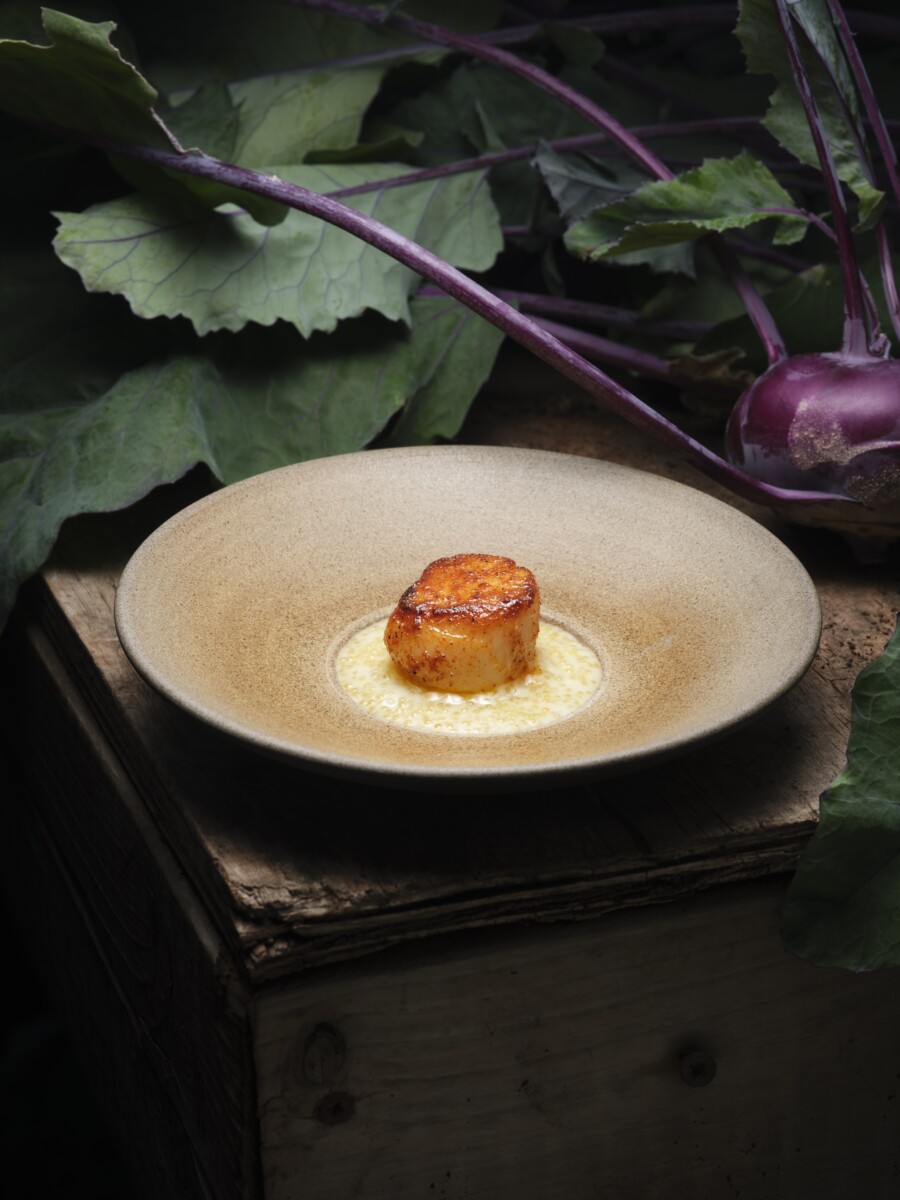
You often speak about rhythm, flow, and texture in your tasting menus. How do you approach creating dishes that feel more like an evolving journey than a meal?
Each new dish starts with Our Farm and what is at its very best. This brings about a natural evolution of the menu as we have to adapt to the changing seasons.
When it comes to flow, we consider every element carefully, thinking about how each dish leads into the next. Texture, temperature, colour, technique, and variety all play a role. Ultimately, it takes extensive testing and development across every level of the team.
Innovation is constant in your kitchens. What excites you most right now about new techniques, preservation methods, or ingredient discoveries?
I am often the most excited about discovering new ingredients on my travels. Working in new climates has been so invigorating and has really pushed our creative boundaries. For example, in Thailand, we use calamansi limes to bring acidity to our dishes, but in the UK, we would have used courgette juice to replace citrus. The abundance of these new ingredients and flavours means that we have been forced to rethink and adapt.
Hospitality has a reputation for burnout. What mindset practices or daily rituals help you sustain resilience and clarity in such a demanding career?
Getting out in nature is so important. I know it’s hard to do when there’s a lot going on, but even carving out 10 minutes for a walk before starting your shift will make a difference to your day. I’d also say build a great team around you. My team is there to support me no matter what, and they make it all possible.
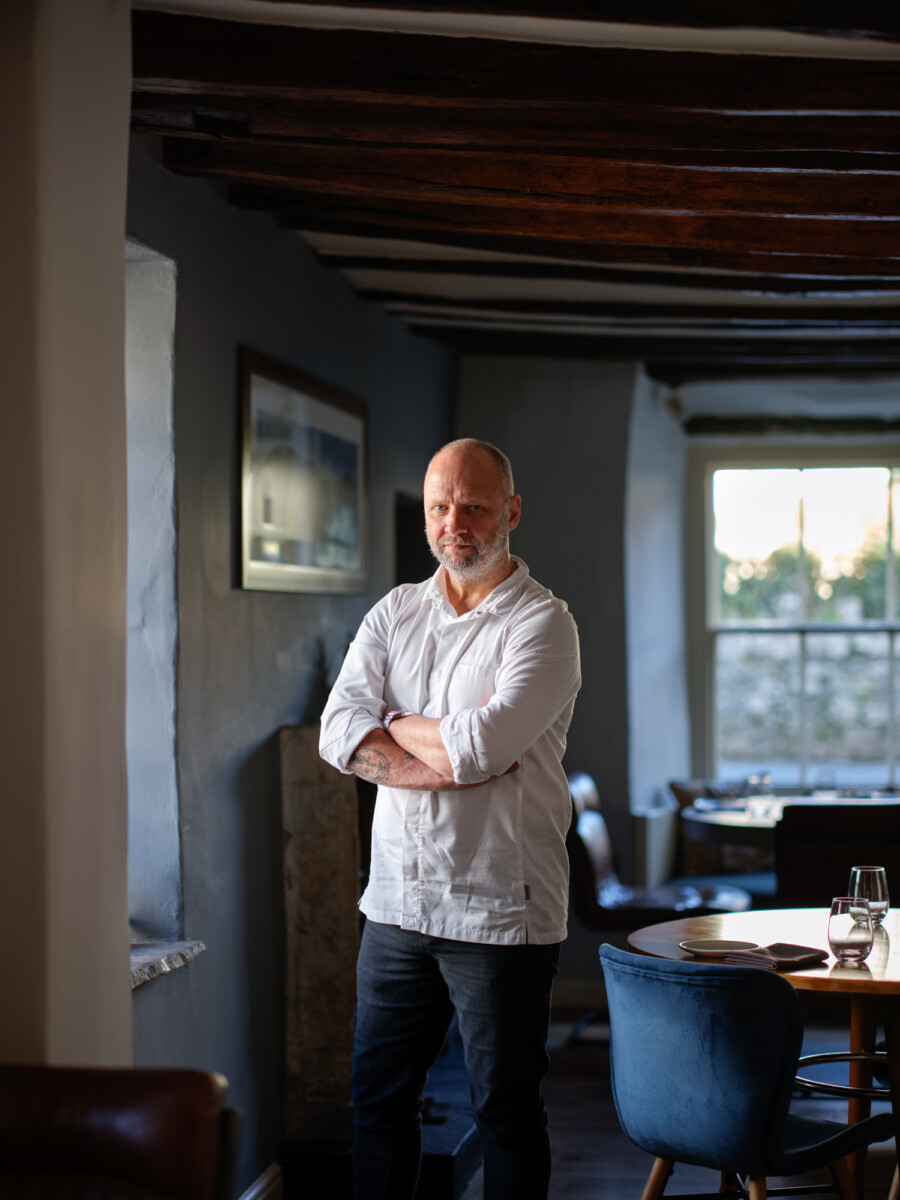
If you had to distil one life lesson from over two decades at the pass, what wisdom would you share with the next generation of chefs?
Ask questions. Don’t be afraid to speak up if you’re not sure about something, whether it’s a technique or a flavour combination. If you stay curious, there’s no end to what you can achieve.
Every chef has their essentials. What are the five things you simply could not live without in your kitchen?
Mug for tea. Tweezers. Palette knife. A good pan, I use Hestan Nanobond. Rational iCombi Pro oven.
Finally, beyond accolades and achievements, how do you personally define success and fulfilment in both your culinary journey and your life?
I think I’d have to say watching the teams I’ve built thrive is my main marker of success. Their achievements bring me so much happiness and satisfaction.
To find out more about Simon Rogan, please visit simonrogan.co.uk