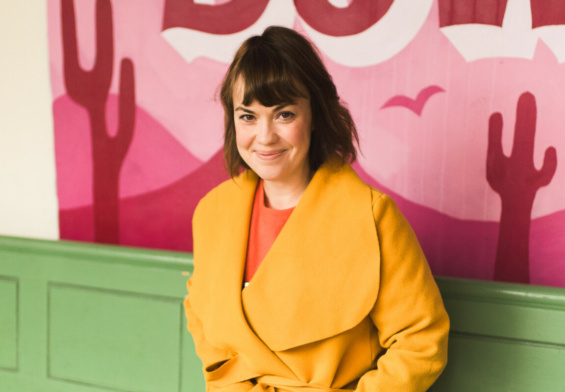
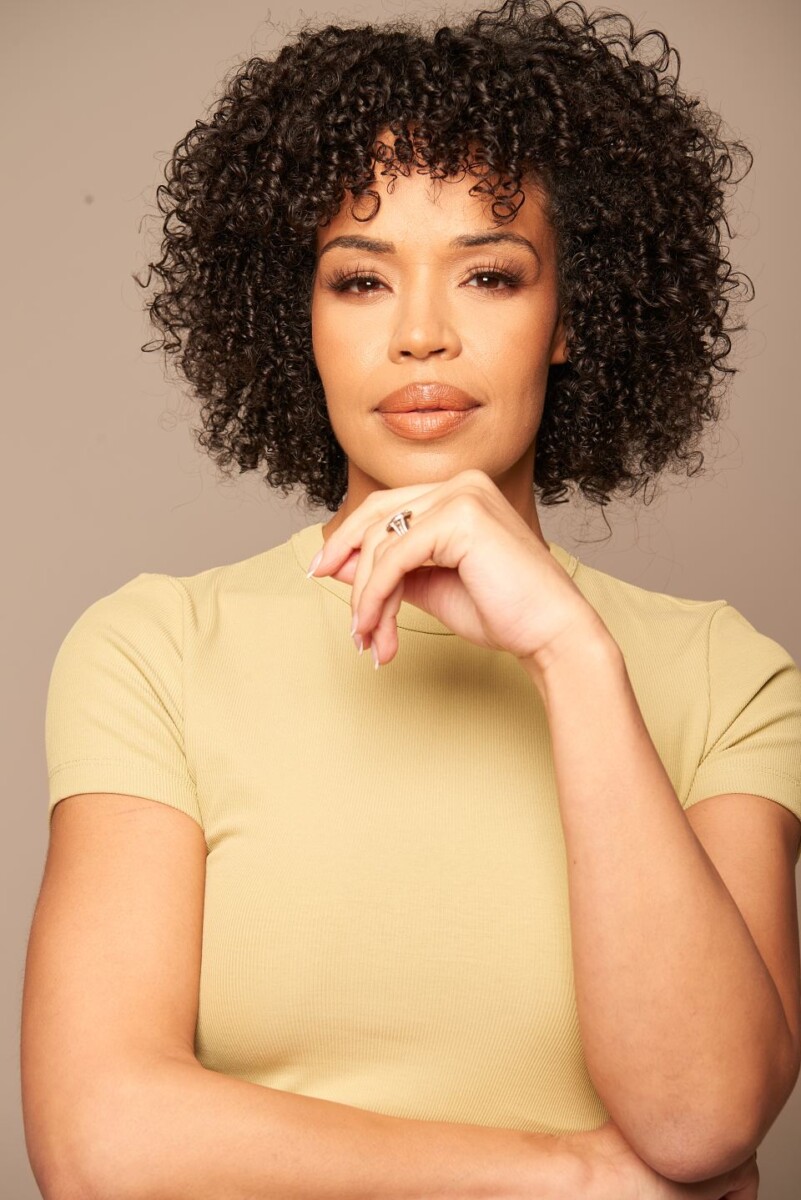
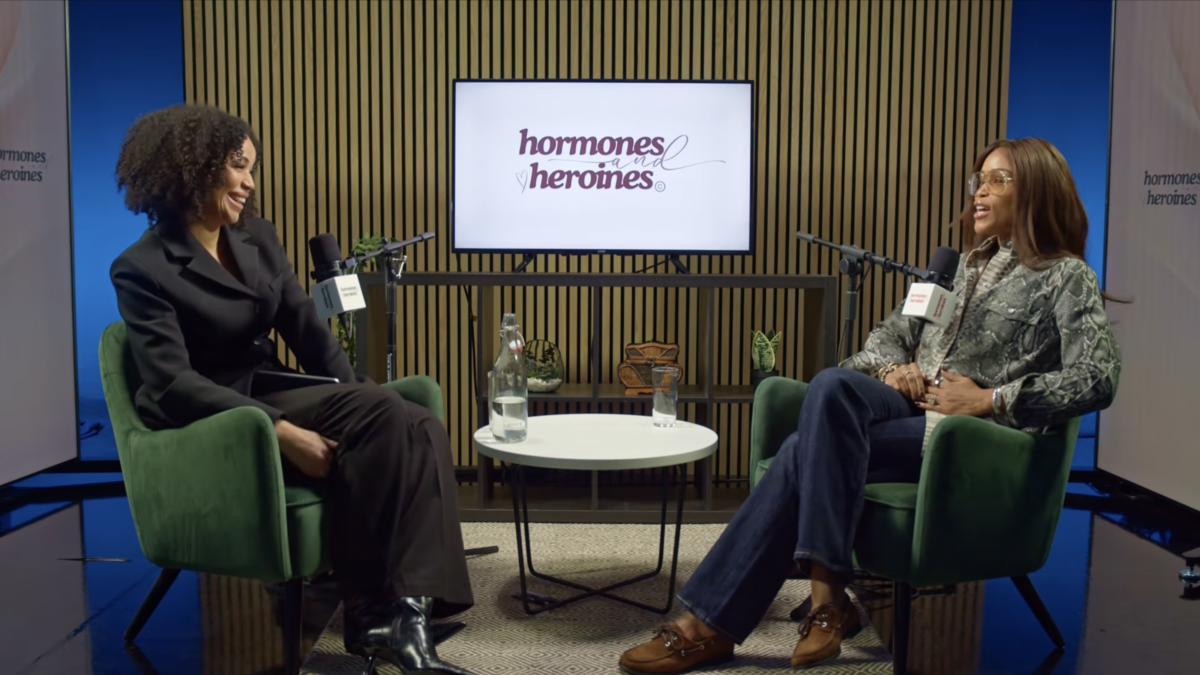
By Sarah-Jane Crawford, TV & radio presenter, founder of Clean Curls and host of the podcast Hormones & Heroines.
In 2023, while I was building my haircare brand and gearing up for a run of trade fairs, I was also trying for a third child. I went on a fertility drug called Clomid, and within weeks, nothing felt the same again.
What I now understand is that it was likely a combination of two things happening at once: a strong reaction to the medication itself, and the fact that, as I later realised from my periods becoming irregular in the months beforehand, perimenopause may already have been starting in the background. At the time, I had no way of untangling the two, and it was frightening.
I started getting anxiety out of nowhere, severe enough on one occasion that I called an ambulance, and on another that I ended up in A&E. I remember walking into a shop to look at a laptop, then suddenly feeling a strong sense of anxiety and almost dizziness and simply running out in a panic. I felt embarrassed rather than informed, and I had no idea who to turn to, especially while I was still processing the fact that the fertility journey I’d been hoping for wasn’t going the way I’d planned either.
Symptoms That Catch You Off Guard
Heart palpitations were one of the strangest. I remember hearing Oprah Winfrey describe thinking something was wrong with her heart, only to discover it was perimenopause, and that reassured me enough to get myself properly checked rather than panicking further. That’s genuinely important advice in itself: don’t assume everything is hormonal. Get the tests done so you’re not missing something else going on.
Beyond that, the sheer range of what fluctuating oestrogen can affect took me by surprise: mood, joint aches, vaginal health, even itchy skin. Nobody tells you that you might feel low without being depressed, or that something as unrelated-sounding as itchy ears can be hormonal too.
What I Wish Someone Had Told Me Sooner
That this can start in your early forties, sometimes younger, and it can feel like it’s come out of nowhere. That there’s no shame in any of it, however strange or embarrassing a symptom feels to say out loud.
And that it’s worth having your bloods checked regularly. Not just for hormones, which can be an unreliable read if you’re already on HRT, but for things like vitamin levels and blood sugar markers. I once got a result that showed I was a single point inside the prediabetic range, and it was a guest on my podcast who first explained to me that fluctuating oestrogen can affect readings like that too.
Where Can I Find The Right Advice?
GP confidence on perimenopause and menopause varies a lot. I’ve had appointments where raising joint aches or palpitations in this context was met with a blank look. If you can, a one-off consultation with a private menopause specialist can be truly worth the cost, even just to understand what’s available on the NHS and to walk away with a clearer sense of your HRT options. I think of it as an investment rather than an expense; trying to save money here can end up costing far more in time and energy later.
Finding your people matters too. A former Olympian and midlife advocate called Michelle Griffiths Robinson was one of the first people I spoke to, and she made me feel like there was nothing to be ashamed of. Having a handful of people who understand, who can commiserate or even just laugh with you about it, makes an enormous difference.
Questions Worth Taking to Your GP or Specialist
- Could these symptoms be linked to perimenopause, and is there anything else they could indicate that’s worth ruling out first?
- Would hormone testing be useful for me right now, and would that change if I were already on HRT?
- What HRT options might suit me, and what forms do they come in, such as gel, patches, tablets or cream?
- Could low testosterone be contributing to how I feel? It’s often left out of the conversation entirely.
- Should I also be monitoring things like blood sugar or vitamin levels alongside my hormones?
- If you’re not confident discussing menopause, could you refer me to someone who specialises in it?
- What’s the plan if the first HRT combination we try doesn’t suit me?
- How do I make sure I don’t run out of my prescription, and what happens to my symptoms if I do?
On that last point, I’ve learned the hard way that it’s worth never letting your HRT run low. Stopping and restarting can bring symptoms back harder than before, so I always make sure I’m properly stocked up well ahead of time.
As the founder of a haircare brand built to be hormone-safe from the outset, there’s a strange irony in realising I was going through all of this while building it. But it’s also exactly why I talk about it now: so other women don’t have to feel as lost as I did.
About the expert
Sarah-Jane Crawford is a TV and radio presenter and DJ (The Xtra Factor, Radio 1Xtra), founder of the haircare brand Clean Curls, and host of the podcast Hormones and Heroines, where she speaks openly about menopause, hormones and midlife health.