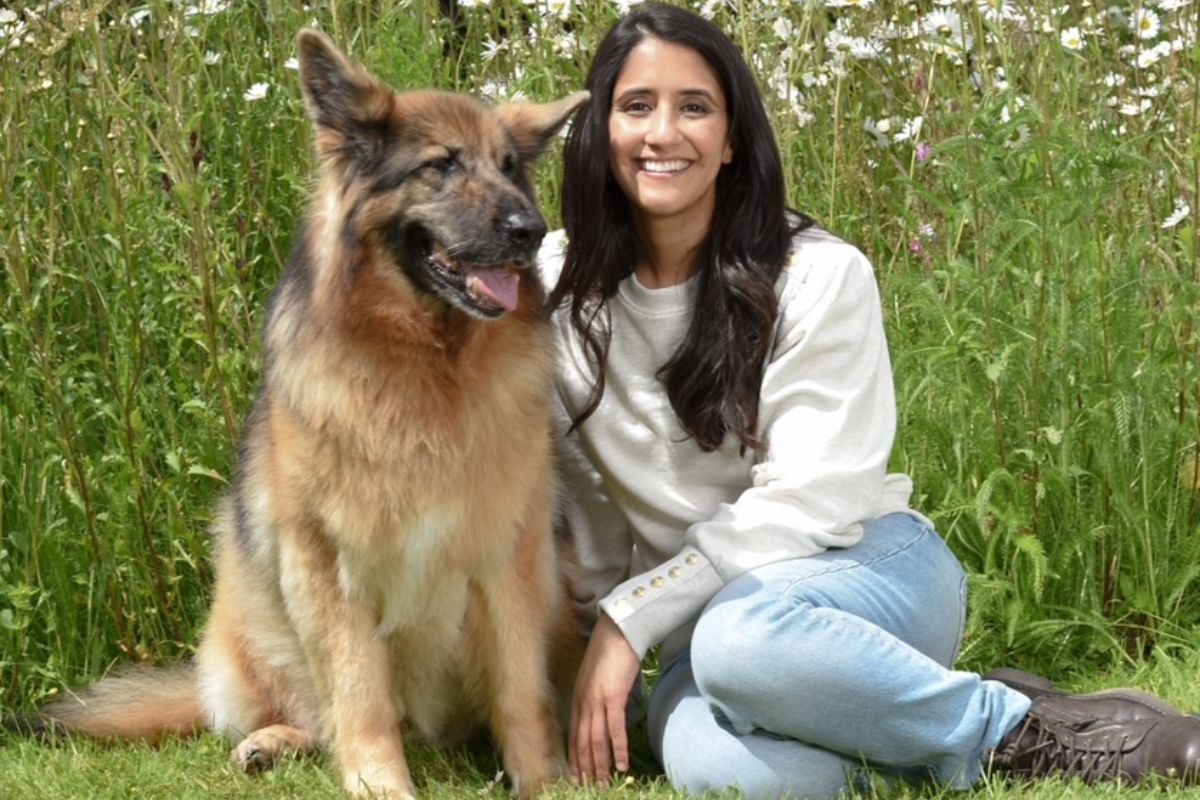
By Fatima Maktari, Food Scientist & Founder of Tribal Pet Foods.
For many of us, Christmas means long lunches, fancier-than-normal dinners and lots of leftovers. Naturally, our dogs sit expectantly by our side or under the table, hoping for a taste of the action. While it’s very tempting to share your food with your beloved dog, not everything we enjoy at Christmas is safe for them. Dogs are at higher risk of illness or injury during the festive period with increased trips to the vet.
As an Oxford-trained food scientist and pet food expert, here is my science-led advice on what’s safe to slip under the table – and what is best to avoid.
The Christmas Dos
1. Do offer lean, cooked meats – in moderation
Dogs thrive on high-quality protein and fresh, gently cooked meats — not only do they crave it; it also reflects the type of nutritious food they need to live a happy and healthy life. Therefore, during the festivities you will likely see their eyes light up when the turkey or chicken is being served. They don’t need to miss out, and if meat is served without the skin, rich gravies or bones, it can be a safe way to let your dog indulge in the festive food.
2. Do share jewel-bright vegetables
Make up their festive bowl with much of the same vegetables, fibre and antioxidants they are likely already getting. From carrots and peas to green beans and sweet potato — these are fabulous foods to mix in with their meat and help to underpin a balanced diet. Just make sure that they are served in moderation and plainly without salt, seasoning or oils to avoid digestive upset.
3. Do indulge with festive treats that give back
A Christmas indulgence doesn’t have to be empty: think salmon-oil treats that leave their coat glossy or chews that quietly care for teeth while they enjoy the flavour. We always encourage owners to see treats not just as ‘extras’, but as an opportunity to support everyday wellbeing.
The Christmas Don’ts
1. Don’t give cooked bones
Be mindful when prepping dinner in a busier environment than normal and during the general Christmas Day chaos, as it is a higher-risk time for pets to eat things they shouldn’t or be given something by accident that can harm them. For instance, turkey or chicken bones, once roasted, become brittle and can splinter dangerously in a dog’s digestive tract. Therefore, be extra cautious and feed them one of their normal treats if they get fidgety under the Christmas table, unless you can be sure there are no brittle or stray bones in their festive bowl.
2. Don’t feed rich, fatty trimmings
Pigs in blankets, stuffing, or buttery roast potatoes might smell irresistible, but they’re far too fatty and salty for dogs. These can trigger pancreatitis – a painful and serious condition. Remember, what feels like a “tiny piece” to us is proportionally much richer to them. So, is best to stick to the safe list option.
3. Don’t allow grapes, raisins, or chocolate anywhere near them
Christmas pudding, mince pies, and even panettone are highly toxic for dogs due to raisins and sultanas. Remember — chocolate, too, is a complete no-go for dogs and can make them ill – even small amounts can cause serious illness.
In addition, the festive cheese board will be dressed with pickles and grapes — so remember not to let any stray grapes fall from the board and onto the floor, because you will have your dog in waiting. Not only are grapes a choking hazard, but they are toxic and can cause kidney damage, vomiting and diarrhoea. Ensure you move any human treats of this nature mid-nibble or clear away any leftovers swiftly to avoid accidental scavenging.
Final Thought: A Balanced Approach
The safest and kindest way to involve your dog in the festivities is to prepare something tailored for them – whether it’s a bowl of their usual complete food or a festive-shaped treat designed with their nutrition in mind. The key is feeding with confidence. You should know exactly what’s in your dog’s bowl, and trust that it’s doing them good. That means fresh meat, gently prepared; whole-grains that are easy to digest; and nutrient-rich plants, much like the principles behind cold-pressed diets.
This Christmas, let your dog join in – but do it on the right terms. A little mindful feeding goes a long way towards keeping tails wagging into the New Year.
About the expert
Fatima Maktari is an Oxford-trained food scientist turned pet food entrepreneur, and the founder Tribal Pet Foods – the first brand in the UK to make cold-pressed dog food using fresh, human-grade meat.
The idea for Tribal began with her Labrador, Alpha. One day, Fatima glanced at the back of a packet of dog treats and realised she didn’t recognise a single ingredient – even with a chemistry degree. When she dug into what those ingredients actually were, she found it genuinely worrying. If she couldn’t confidently explain what she was feeding her own dog, something had to change. She began experimenting in her kitchen, using ingredients she knew and trusted – and applying her food science background to make them properly balanced. At first, it was just for Alpha. Then friends started asking and she took them to local events as interest grew. Bit by bit, that grew into Tribal.
In 2017, she launched the Fresh Pressed™ range – the first cold-pressed dog food in the UK made with fresh meat. It’s gently cooked at low temperatures to help retain nutrients, support digestion, and offer a convenient alternative to raw feeding – without the processing of traditional kibble.
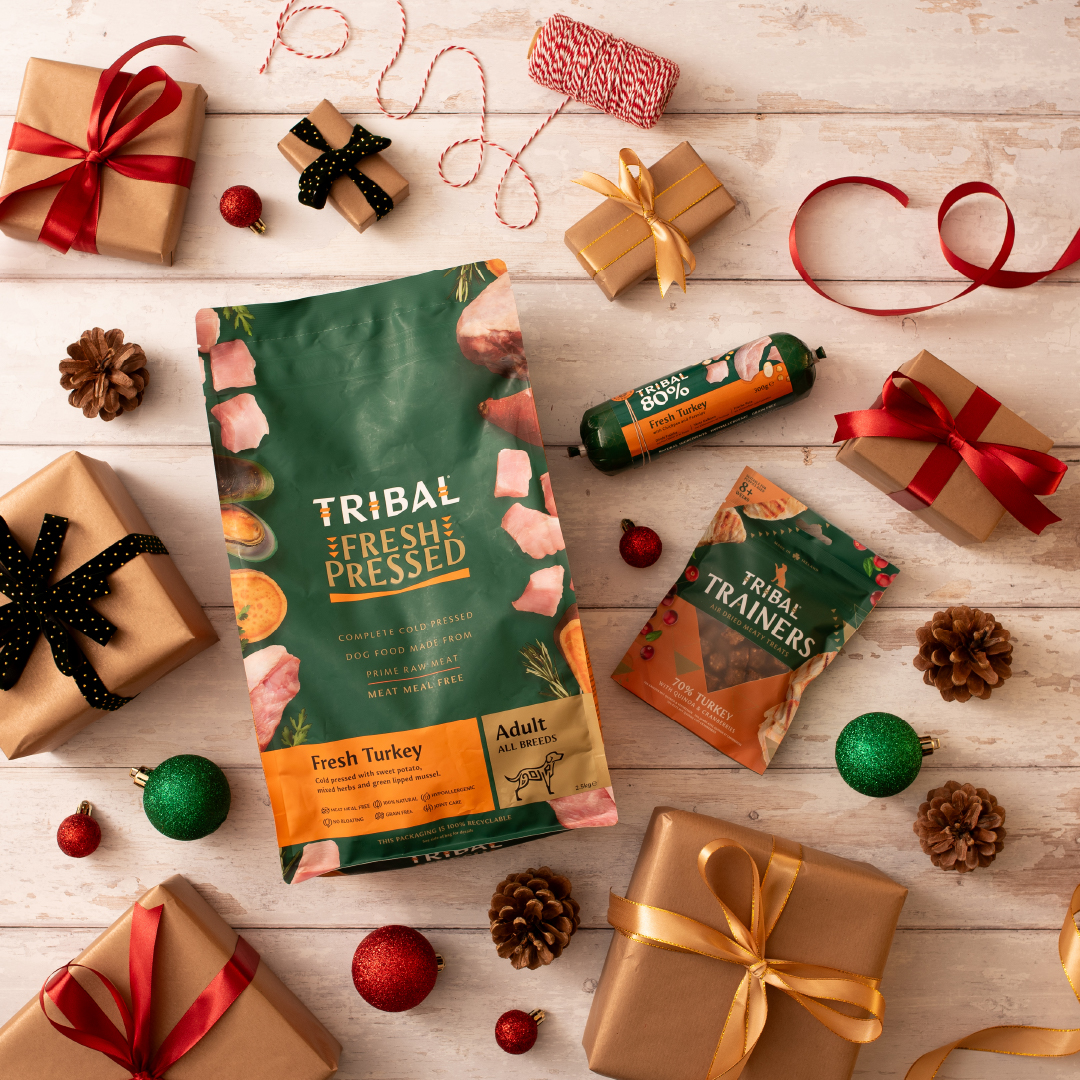
Today, Tribal is sold exclusively through specialist pet retailers across the UK, and 20 countries around the world with over 20 million meals sold. The range includes 80% meat gourmet sausages and functional superfood treats – all made with a clear focus on quality, sustainability, and everyday health. Fatima is now recognised as one of the leading voices in science-led pet nutrition – part of a new generation of founders challenging how we feed our dogs.
For more information, please visit tribalpets.com/uk/