By Dr Affan Saghir, a cosmetic and restorative dentist, educator and founder of SPACE Dental.
Hardly a week goes by in my clinic without someone asking the same question: “What’s the safest and most effective way to whiten my teeth?” It’s an understandable question, but unfortunately one surrounded by misinformation. Social media is full of quick fixes, influencers promote products with little evidence behind them, and the internet is flooded with whitening kits promising dramatic results.
The reality is that tooth whitening can be a safe, predictable and effective treatment—but only when the right diagnosis comes first.
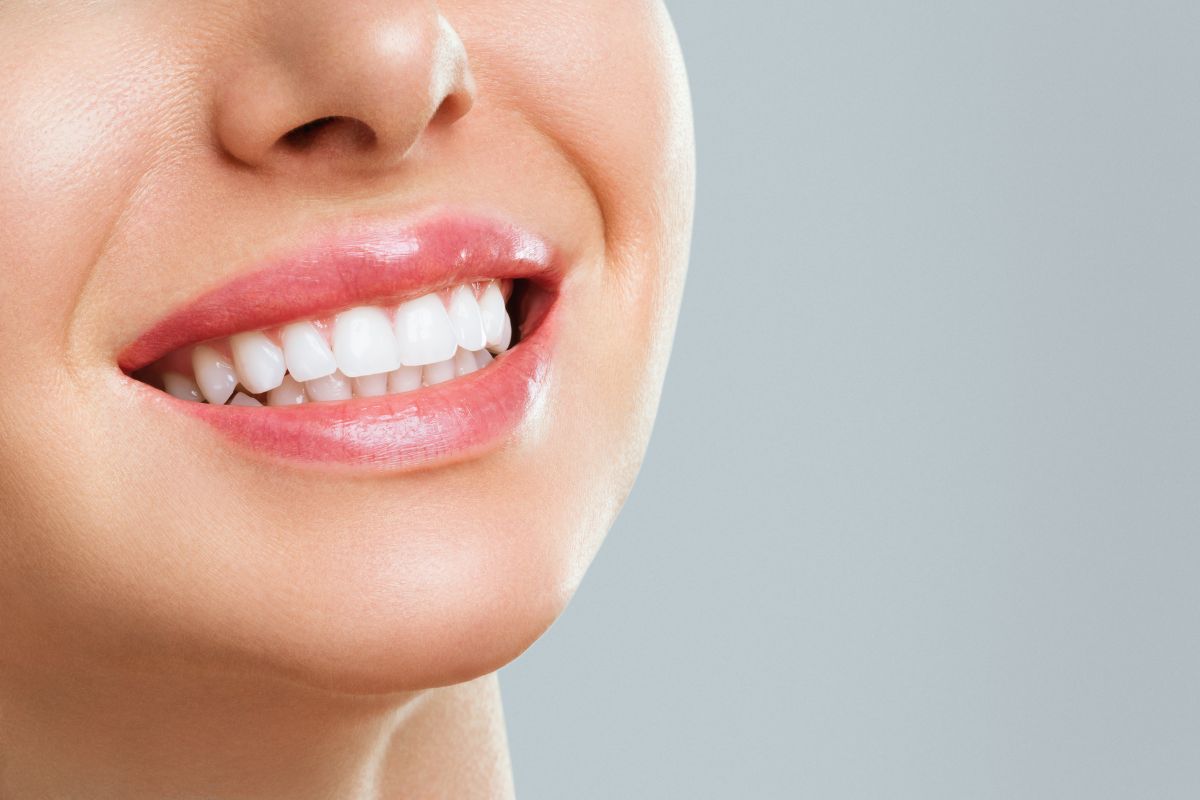
Why Teeth Change Colour
Not all tooth discolouration is the same, and understanding the cause is the first step towards choosing the right treatment.
The most common type is extrinsic staining, which affects the outer surface of the teeth. Everyday habits such as drinking tea, coffee, red wine and smoking can all contribute.
Professional cleaning can often remove much of this staining, while whitening treatments can then lighten the natural colour of the tooth itself.
Intrinsic discolouration occurs within the tooth and may develop naturally with age or result from certain medications, trauma or excessive fluoride exposure during tooth development.
These cases often require a different approach, and whitening alone may not always achieve the desired result.
This is why a proper examination by a dentist is so important before beginning any whitening treatment.
What Actually Works
When whitening is clinically appropriate, dentist-prescribed tooth whitening remains the safest and most predictable option.
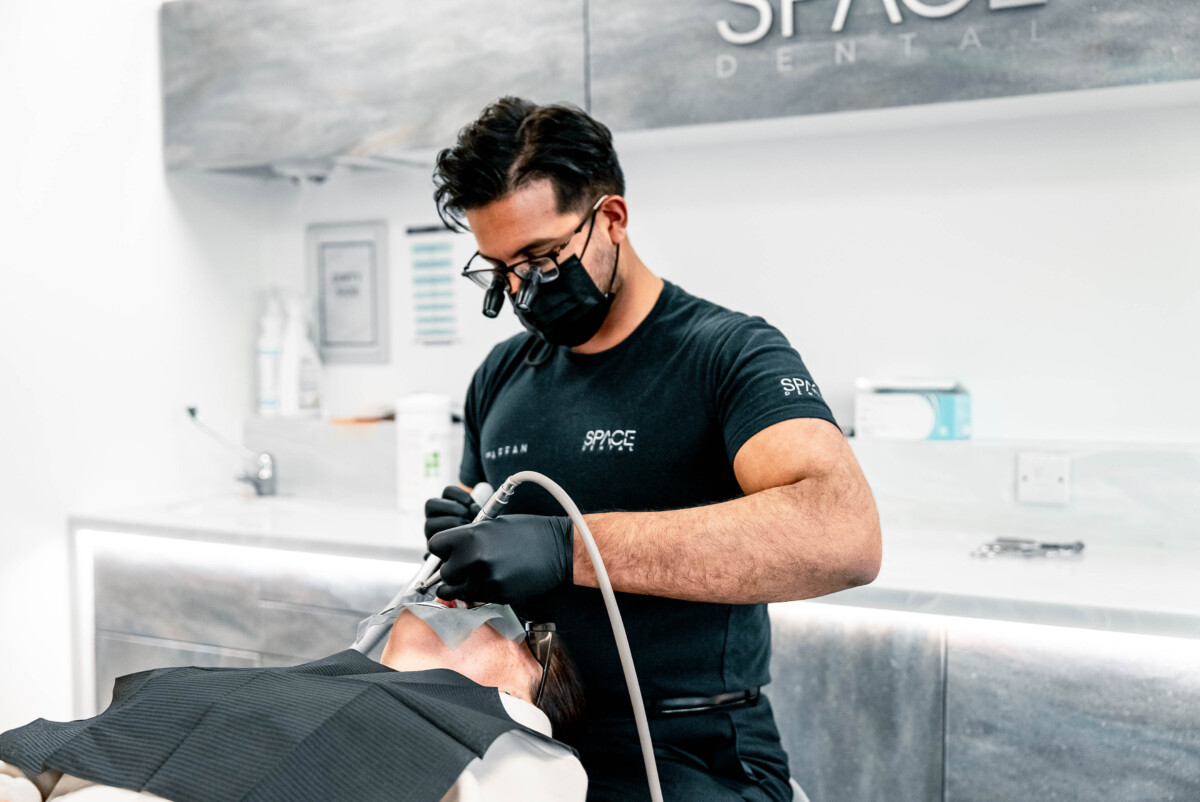
Following a clinical assessment, your dentist can determine whether whitening is suitable, identify any underlying problems that should be treated first, and recommend the most appropriate technique for your individual circumstances.
Both professionally supervised home whitening using custom-made trays and in-practice whitening treatments can produce excellent results when used correctly. The choice depends on your dental health, lifestyle, desired outcome and the advice of your dentist.
Equally important is monitoring throughout treatment. If sensitivity develops or adjustments are needed, these can be managed safely under professional supervision.
What Isn’t Worth Your Money?
Many products marketed as “whitening” products do not actually whiten teeth.
Most whitening toothpastes work by removing superficial surface stains rather than changing the natural shade of the teeth. While they may help maintain brightness after professional whitening, they should not be expected to produce dramatic colour changes. Some formulations can also be relatively abrasive, so it’s worth discussing suitable products with your dentist.
Similarly, whitening products purchased online or from unregulated sellers often vary significantly in quality. Some contain very little active whitening ingredient and deliver disappointing results, while others may contain ingredients or concentrations that are unsuitable for unsupervised use.
If something sounds too good to be true, it usually is.
What Could Damage Your Teeth?
This is where I become most concerned.
Every year I see patients who have unintentionally damaged their teeth while trying to save money or follow advice found online.
Acidic home remedies such as lemon juice should never be used on teeth. They can permanently erode enamel, and once enamel is lost it cannot regenerate.
Charcoal-based products have become increasingly popular on social media, yet there is very little high-quality evidence that they effectively whiten teeth. Some formulations may also be abrasive, potentially contributing to unnecessary tooth wear over time.
Similarly, excessive use of abrasive home remedies, including bicarbonate of soda, may gradually wear the tooth surface if used repeatedly.
Unregulated high-strength whitening products purchased online also carry genuine risks, including chemical burns to the gums, increased tooth sensitivity and unpredictable results.
Before You Whiten
Before starting any whitening treatment, I recommend discussing the following with your dentist:
- Ensure your teeth and gums are healthy, with no untreated decay or active gum disease.
- Remember that crowns, veneers, composite bonding and fillings will not whiten alongside your natural teeth and may need replacing afterwards to achieve a consistent appearance.
- Discuss any existing tooth sensitivity before treatment begins.
- Follow the whitening protocol recommended by your dentist rather than extending treatment or increasing the frequency yourself.
- If significant sensitivity or discomfort develops during treatment, stop and seek professional advice.
- Be aware that whitening results naturally fade over time and occasional maintenance may be required.
- Many dentists advise avoiding strongly coloured foods and drinks for the first 24 to 48 hours after whitening as a sensible precaution.
- Whitening is generally suitable for adults aged 18 years and over unless there is a specific clinical indication.
A Healthy Smile Is More Than Just White Teeth
One of the biggest misconceptions I encounter is that the whitest smile is automatically the healthiest smile.
In reality, the most attractive smiles are built on healthy foundations. Healthy gums, strong enamel, well-aligned teeth and good oral hygiene contribute far more to a beautiful smile than colour alone.
At SPACE Dental, our philosophy has always been simple: Health First. Aesthetics Second.
When those foundations are in place, cosmetic dentistry—including whitening—can enhance a smile beautifully. But cosmetic treatment should never come at the expense of long-term oral health.
Whitening is one of the most rewarding treatments we provide because it can transform confidence with minimal intervention. However, like every aspect of dentistry, the best outcomes begin with an accurate diagnosis, realistic expectations and evidence-based care—not social media trends.
About the expert
 Dr Affan Saghir is a cosmetic and restorative dentist, educator and founder of SPACE Dental. He has a particular interest in minimally invasive aesthetic dentistry and believes the best cosmetic results are achieved by protecting natural tooth structure while prioritising long-term oral health.