By Dr Anil Joshi, Consultant ENT and Facial Plastic Surgeon.
Facial cosmetic treatments, from a subtle tweak with fillers to a full surgical procedure, have never been more accessible. That accessibility isn’t always a good thing. As a facial plastic surgeon, the patients I worry about most aren’t the ones who ask too many questions before going ahead with a procedure; they’re the ones who didn’t ask enough.

Start With the Practitioner, Not the Procedure
Before you even discuss the treatment itself, check the person performing it. For surgical procedures, that means confirming they’re on the GMC’s specialist register, and verifying this independently rather than taking it on trust.
For non-surgical treatments, check they’re appropriately regulated and trained for that specific procedure. Ask how many times they’ve personally performed the exact treatment you’re considering, not procedures in general.
Membership of a recognised professional body is also a useful marker, since it typically comes with ongoing scrutiny and peer accountability that a single practitioner working in isolation simply doesn’t have.
Understanding the Procedure Itself
Ask to see before-and-after photos of patients with a similar starting point and similar features to yours, not just a practice’s best-case results.
Ask specifically about risk and complication rates within that practitioner’s own experience, rather than accepting generic reassurance.
And ask what recovery actually looks like day by day, not a vague “a week or two,” since the practical reality of downtime is often what patients are least prepared for.
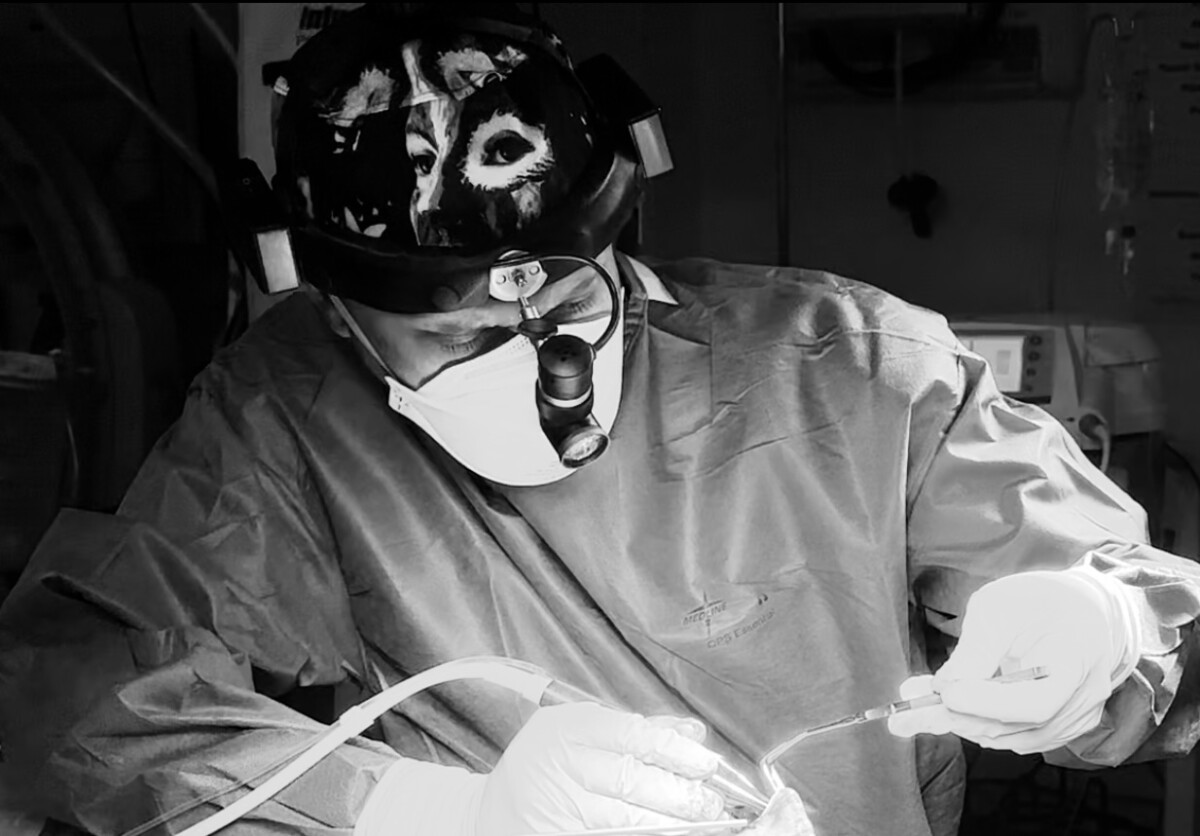
Surgical vs Non-Surgical: Why the Distinction Matters
Non-surgical options, such as Botox, dermal fillers and thread lifts, are generally reversible or temporary, carry lower risk, and involve much shorter recovery. They’re a really useful way to test an idea before committing to something more permanent.
Surgical options carry more risk and, in most cases, mean living with the result for good. A good practitioner should be honest with you about which category actually suits your goals and anatomy, rather than defaulting to whichever type of treatment they happen to offer.
Red Flags to Walk Away From
Be cautious of high-pressure sales tactics or discounted, sale-style pricing on cosmetic procedures.
The same goes for any provider who skips a proper in-person consultation before booking you in, who guarantees or exaggerates outcomes, who’s reluctant to discuss risk openly or share verifiable credentials, or who can’t clearly explain what aftercare looks like if something doesn’t go to plan.
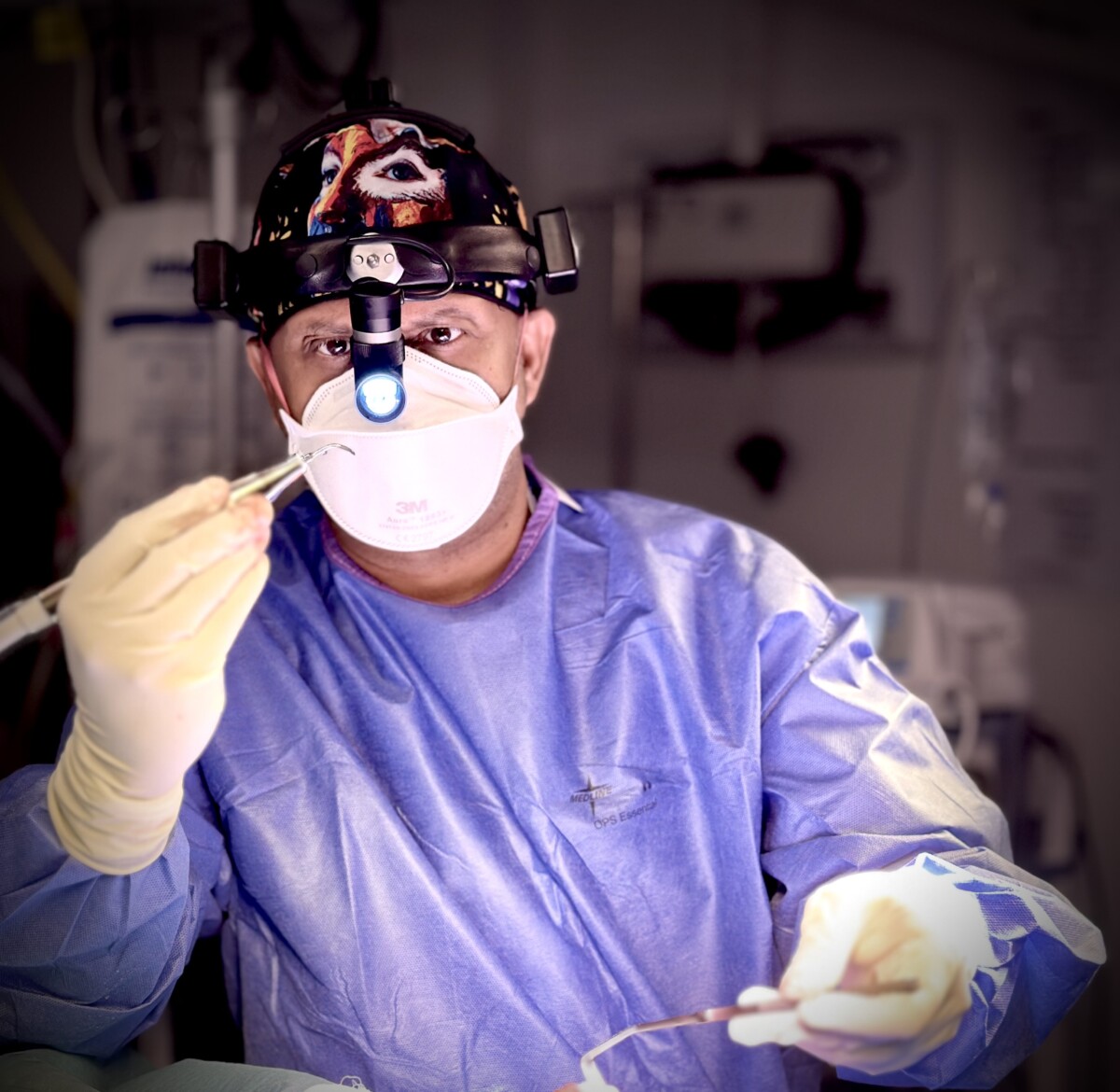
My Essential Questions Checklist
- Are you on the specialist register for this procedure, and can I verify that independently?
- How many of these procedures have you personally performed?
- Can I see results on patients with a similar starting point to mine?
- What are the realistic risks, and how often do complications happen in your own practice?
- What does recovery actually involve, day by day?
- What’s the plan if I’m unhappy with the result, or something goes wrong?
- Is this procedure reversible?
- Who handles my aftercare, and how easy are they to reach if I need them?
- What is the full cost, including any follow-up or revision work if it’s needed?
And these aren’t just questions for other people to ask. They’re the standard I hold every consultation to, for every patient who sits across from me.
About the expert
 Dr Anil Joshi is a Consultant ENT and Facial Plastic Surgeon, with an NHS practice at Lewisham and Greenwich NHS Trust and a private practice across central London. A specialist in rhinoplasty, facelift and non-surgical facial rejuvenation, he holds senior roles with the British Society of Facial Plastic Surgery and the European Academy of Facial Plastic Surgery.