Dr Dirk J. Kremer, a German board-certified plastic surgeon based in Harley Street and specialising exclusively in advanced facial aesthetics surgery.
Ten years ago, your CV introduced you before you entered the room. Today, more often than not, your face does. Before you’ve shaken a hand or spoken a word, someone has already seen your LinkedIn profile, your company website, your Zoom window, your podcast interview or your Instagram page. Long before people judge your expertise, they form an impression of your energy, confidence and credibility. That doesn’t mean appearance has become more important than competence. Far from it. But it does mean that appearance has become part of communication. Looking healthy, rested and approachable sends signals that influence how others perceive us, often without them even realising it. As a plastic surgeon, I have watched this shift unfold over the past decade. Increasingly, entrepreneurs, executives and professionals don’t ask me to make them look younger. They ask me to make them look less tired. They don’t want to become someone else. They simply want their appearance to reflect the energy, confidence and ambition they still feel inside. In my consultation room, I rarely hear the words, “I want to look younger.” Much more often I hear, “I just want people to stop asking whether I’m tired.” That difference says a great deal about how our relationship with appearance has changed. Confidence and vanity are not the same thing.
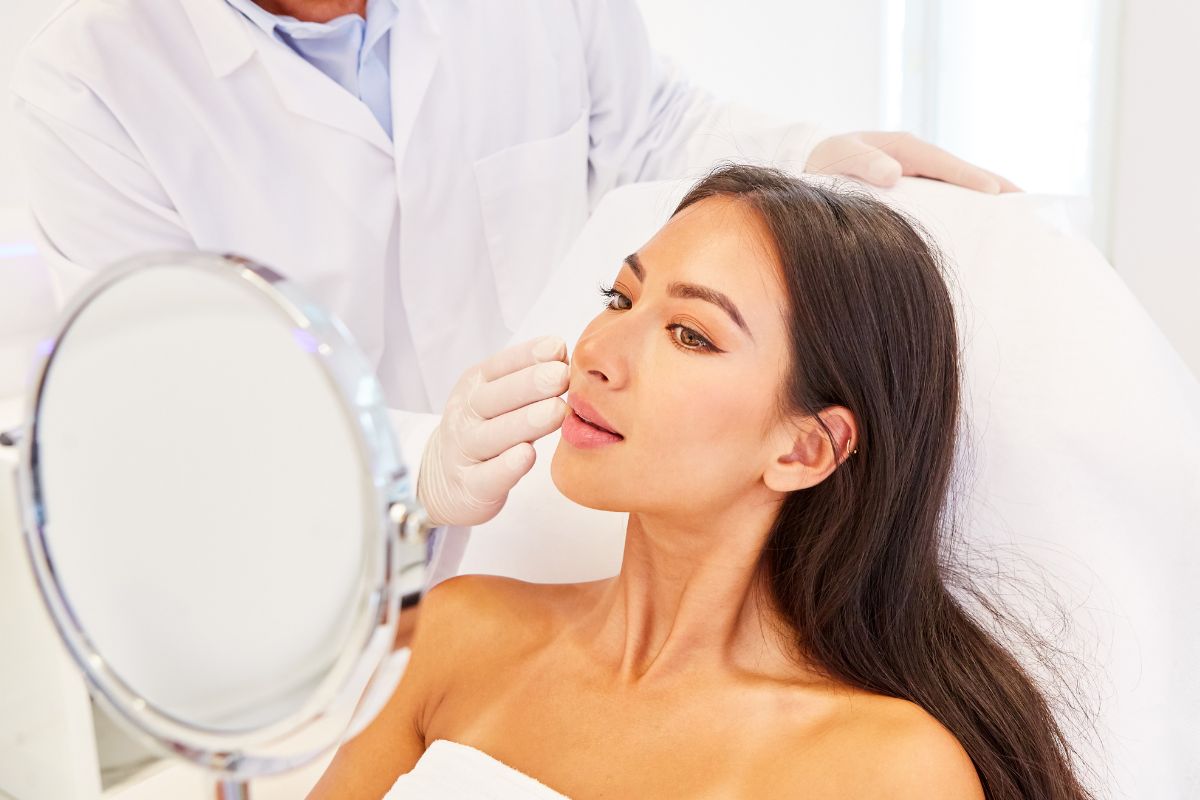
Your Face Has Become Your First Handshake
The first impression no longer happens in the reception area. It happens on a screen. A potential client may discover you through your website. An investor may first see your LinkedIn profile. A journalist may interview you via Zoom. A future employee might watch your keynote on YouTube before deciding whether to work with you. Your face has become part of your professional reputation long before you have the opportunity to introduce yourself. Psychologists have long known that human beings form remarkably quick impressions. Within seconds we unconsciously judge trustworthiness, vitality and confidence. These first impressions are not always accurate, but they influence the way every subsequent interaction unfolds. In many ways, your face has become your business card long before anyone reads your CV or hears your ideas.
Looking Refreshed, Not Different
One of the biggest misconceptions about aesthetic medicine is that people are trying to become more beautiful. In reality, most successful professionals ask for something far simpler. They want colleagues to stop asking whether they’re tired. They want their appearance to stop distracting from their message. They want to look on the outside the way they still feel on the inside. That is a completely different philosophy. The goal is not transformation. The goal is alignment. The best aesthetic treatments are often the ones nobody notices. Friends simply comment that you look well, relaxed or refreshed. They cannot identify why. Ironically, the most successful cosmetic work is usually invisible.
Confidence Is Contagious
There is an interesting psychological phenomenon that I see repeatedly. When people feel better about themselves, they often behave differently. They smile more. They make better eye contact. They speak with greater confidence. They volunteer for opportunities they might previously have avoided. Their appearance has not created their success. But renewed confidence often changes the way they engage with the world, and the world responds accordingly. That is why investing in yourself should never be confused with vanity. Confidence is not about looking perfect. It is about removing unnecessary distractions so that your personality, experience and expertise become the focus.
The Rise of Invisible Aesthetic Medicine
A decade ago, cosmetic procedures were often associated with dramatic change. Today, the trend is moving firmly in the opposite direction. The most requested outcome is not to look younger. It is to look healthier. Not tighter. Not frozen. Not obviously treated. Simply refreshed. This reflects a broader cultural change. Authenticity has become more valuable than perfection. People are increasingly suspicious of anything that looks artificial. The modern professional understands that credibility comes from looking like the best version of yourself, not like somebody else.
Seven Principles of the Confidence Economy
So if appearance has become part of your personal brand, what is the healthiest way to think about it? I would suggest seven simple principles:
- Aim to look healthy before you aim to look younger.
- Invest in confidence, not perfection.
- Choose subtle improvements that preserve your identity.
- Remember that consistency matters more than dramatic change.
- Prioritise sleep, fitness and wellbeing before cosmetic treatments.
- Treat your appearance as part of your communication, not your self-worth.
- Never allow beauty to replace competence, but don’t underestimate the value of looking energised and approachable.
Final Thoughts
We often hear the phrase, “Don’t judge a book by its cover.” It is wise advice. Unfortunately, human beings have never quite managed to follow it. In today’s digital world, your face often introduces you before your voice does. It appears on websites, video calls, social media, conference programmes and business profiles. Like it or not, it has become part of your personal brand. The goal should never be to chase perfection or to become someone you are not. It should be to ensure that your appearance reflects the same energy, confidence and authenticity that you already possess. Your appearance may open the conversation. Your character, confidence and kindness are what make people stay. In the end, that is the personal brand people remember.
About The Expert
Dr Dirk J. Kremer is a German board-certified plastic surgeon specialising exclusively in advanced facial aesthetics surgery. Based on London’s Harley Street for more than 15 years, he has built an internationally respected boutique practice focused on deep plane facelifts, deep neck lifts and blepharoplasty. His patients travel from across the UK, Europe and the Middle East, drawn by his reputation for achieving refined, natural-looking results that preserve individuality rather than alter appearance.
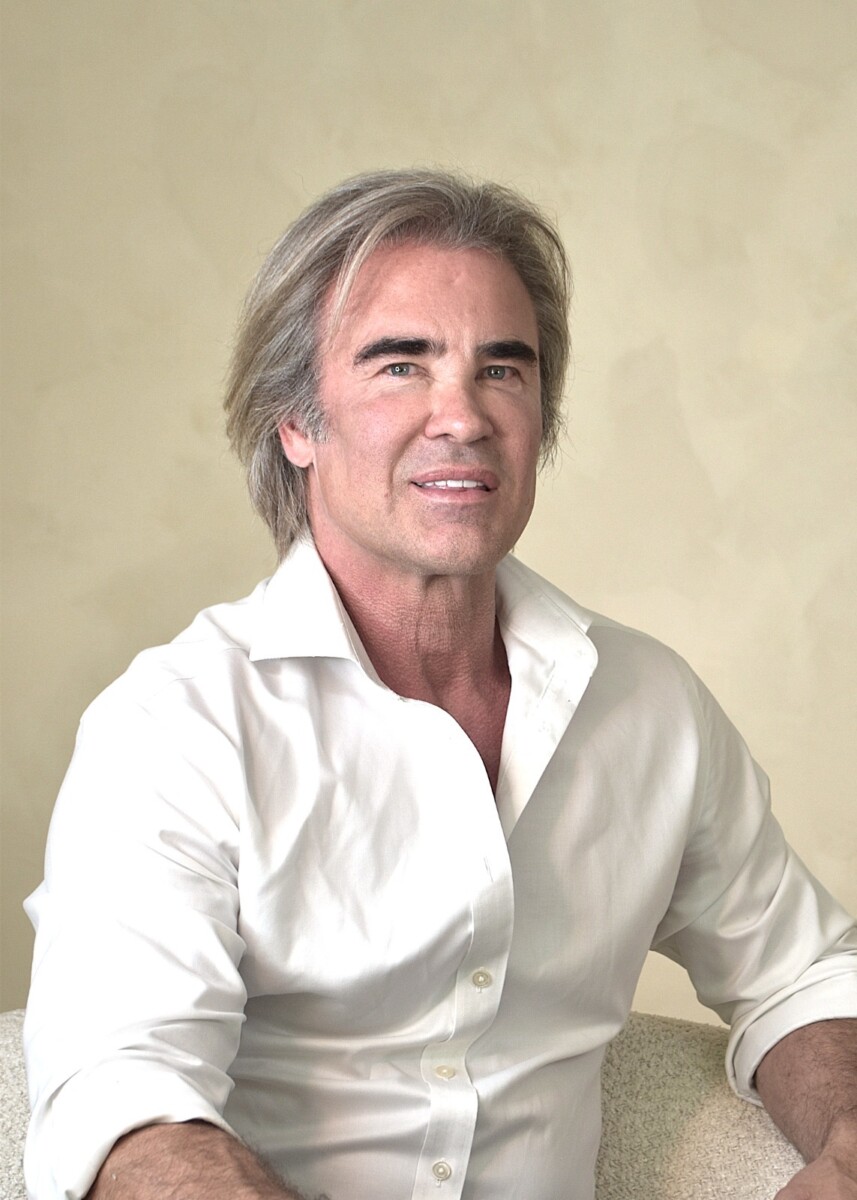
Originally trained in Munich, Dr Kremer furthered his education in New York and San Diego before completing advanced surgical training in Germany and refining his aesthetic expertise with leading Beverly Hills plastic surgeons. He performs more than 100 facelift procedures each year, with particular expertise in deep plane techniques that restore facial structure and harmony without an overdone appearance.
Every patient is personally guided by Dr Kremer from consultation through to long-term follow-up, reflecting his commitment to continuity, discretion and personalised care. His work has been recognised by Tatler, which has named him “Best for Eyelift”, “Best for Necklift” and “Best for Facelift”, and he has appeared on Embarrassing Bodies and The Alan Titchmarsh Show. He is listed on the UK General Medical Council Specialist Register for Plastic Surgery and is an international member of the American Society of Plastic Surgeons.