Preneur World spoke to Sofia Baig, Lead Trichologist at MONPURE, about the often-overlooked impact of perimenopause and menopause on hair health. From thinning and increased shedding to changes in texture, dryness and scalp health, she explains the science behind these hormonal changes, dispels common myths and shares evidence-based advice on protecting and strengthening hair through midlife. Whether you are noticing the first signs of change or looking for clinically proven treatment options, Sofia offers practical guidance to help women during perimenopause & menopause make informed decisions and care for their hair with confidence.
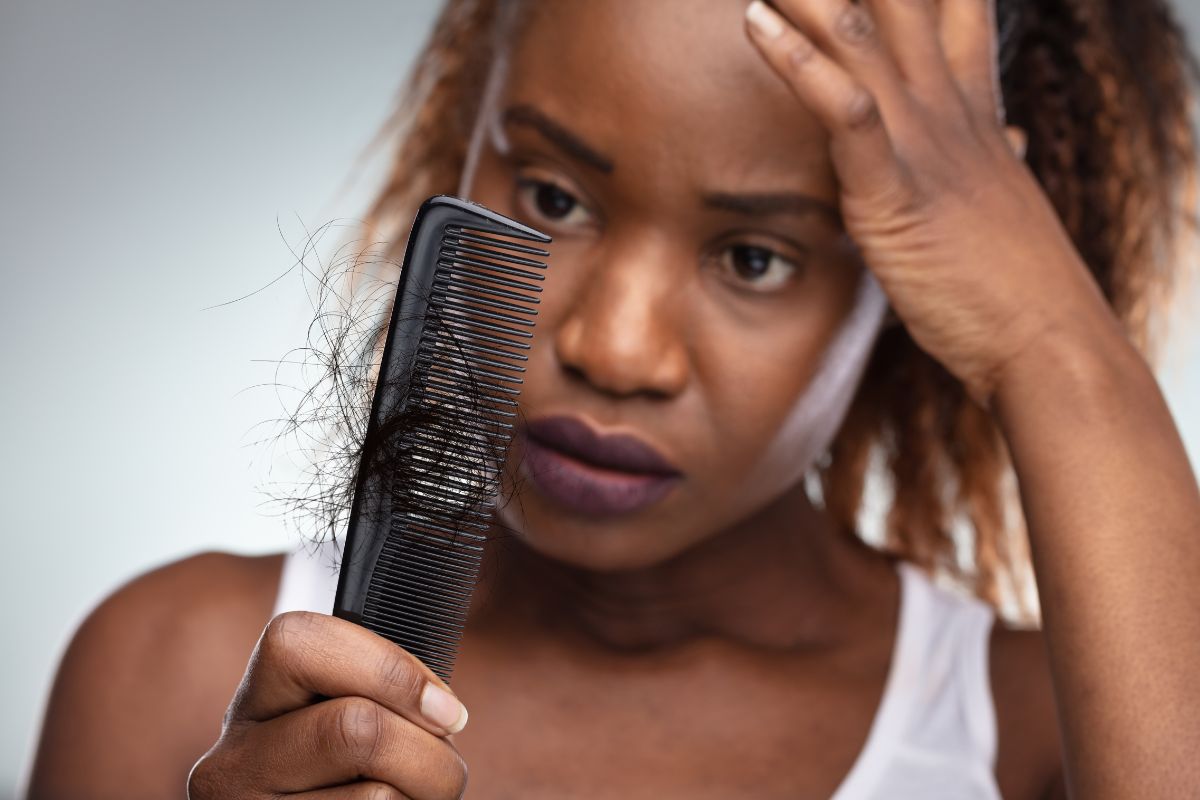
Why does hair often become thinner during perimenopause and menopause?
Hair thinning during perimenopause and menopause is largely driven by declining oestrogen and progesterone levels. As these hormones decrease, hair spends less time in the anagen (growth) phase and more follicles enter the resting (telogen) phase, resulting in finer hair, reduced overall density and slower growth.
These hormonal changes can also contribute to follicular miniaturisation, where hair follicles gradually shrink and produce finer, shorter hairs. This process is known as female pattern hair loss, which typically presents as diffuse thinning over the crown and a widening parting.
Is increased hair shedding during menopause normal, and when should women seek professional advice?
Some increase in hair shedding is a normal part of the menopausal transition. Hormonal changes can disrupt the hair growth cycle and trigger increased shedding, known as telogen effluvium.
Persistent shedding lasting longer than three months, rapid thinning, a widening parting or increased scalp visibility should be assessed. Your GP can arrange blood tests to exclude common medical causes such as iron deficiency, thyroid dysfunction or nutritional deficiencies. A trichologist can assess the hair and scalp to identify the type of hair loss and recommend an appropriate treatment plan.
Why do some women notice changes in their hair texture, such as increased dryness, frizz or brittleness?
Hormonal changes during perimenopause and menopause can affect both the hair and scalp. As oestrogen levels decline, sebum production often reduces, leaving the scalp and hair drier and less manageable. Reduced collagen production may also affect scalp hydration and elasticity, potentially altering the scalp environment that supports healthy hair growth.
Changes to the hair fibre itself can make strands feel coarser, frizzier and more prone to breakage. Long-term heat styling, colouring and environmental exposure can make these changes more noticeable as the hair naturally ages.
Which nutrients are most important for maintaining healthy hair during midlife?
Healthy hair growth is best supported by a varied, nutrient-rich diet that supplies the vitamins and minerals hair needs. Protein, iron, zinc, vitamin D, vitamin B12 and essential fatty acids all play important roles in supporting normal hair growth and follicle function.
Adequate dietary intake does not always reflect adequate nutrient levels, as absorption can be influenced by factors such as gut health, inflammation and underlying medical conditions. Taking supplements is unlikely to improve hair growth in the absence of a nutritional deficiency.
Can stress and poor sleep make menopausal hair loss worse?
Chronic stress and poor-quality sleep can disrupt the normal hair growth cycle, increasing the likelihood of excessive shedding known as telogen effluvium. Which typically occurs two to three months after the triggering event.
Stress and poor sleep may also contribute to other menopausal symptoms, creating a cycle that can further impact hair health and overall wellbeing. While they are not the underlying cause of menopausal hair loss, they can make existing hair concerns more noticeable.
Managing stress, prioritising restorative sleep and maintaining good general health can help support healthy hair growth alongside any personalised treatment plan.
Are there any clinically proven treatments that can help slow hair thinning or encourage regrowth?
Treatment depends on the underlying cause of hair thinning. Topical minoxidil has the strongest evidence for treating female pattern hair loss, helping to maintain hair density and stimulate regrowth.
Microneedling, particularly when combined with topical minoxidil, may further improve hair growth by enhancing treatment response.
Platelet-rich plasma (PRP) injections may also benefit some women with female pattern hair loss, although results vary and maintenance treatments are usually needed.
Low-level laser therapy (red light therapy) may provide modest improvements in hair density and is best used as a supportive treatment.
Addressing nutritional deficiencies, scalp conditions and overall health is also essential for achieving the best outcomes.
What daily haircare habits should women adopt to protect ageing, hormonally changing hair?
Treat hair gently to minimise breakage, as hormonally driven changes often make it finer, drier and more fragile. Use a mild shampoo and regularly condition the mid-lengths and ends to maintain moisture and reduce brittleness.
Reduce frequent heat styling and always apply a heat protectant before using heated tools. Avoid tight hairstyles that place tension on the hair follicles, as ageing hair is more susceptible to traction-related hair loss.
Regular trims help reduce the appearance of split ends. Protect the scalp from excessive UV exposure, particularly where thinning is present and consider products that provide UV protection for the hair. Maintaining a balanced diet with adequate protein and key nutrients, alongside looking after your overall health, also supports healthy hair.
What are some common myths about menopausal hair loss that you would like to dispel?
One common myth is that hair thinning during menopause is inevitable and cannot be treated. While hormonal changes do influence hair, many women benefit from early assessment and evidence-based treatments.
Hair supplements, oils and serums can all play a role in supporting hair health. With some helping to improve the condition and appearance of the hair fibre. However, because different types of hair loss have different causes, the most effective approach is guided by an accurate diagnosis, allowing treatment to be tailored to the individual’s needs.
How can women tell the difference between hormone-related hair loss and an underlying medical condition?
Hormone-related hair loss, such as female pattern hair loss, typically develops gradually, with diffuse thinning over the crown or a widening parting rather than visible bald patches.
Sudden shedding, patchy hair loss, scalp symptoms such as redness, itching or pain, or accompanying symptoms including fatigue, weight changes or menstrual changes may indicate an underlying medical condition and should be assessed. It is also possible to have more than one cause of hair loss at the same time.
Diagnosis often requires a detailed medical history, scalp examination and where appropriate, blood tests.
What are the three most important things every woman should know about caring for her hair during perimenopause and menopause?
Changes in hair density, texture and shedding are common during perimenopause and menopause, but they should not simply be dismissed as a normal part of ageing.
Early assessment is important because different types of hair loss can appear similar but require different treatments. Identifying the underlying cause is the key to effective management.
The best results come from a combined approach of evidence-based treatment where appropriate, good nutrition, gentle haircare and attention to overall health. Hair growth is slow, so consistency and patience are essential.
About the expert
 Sofia Baig is Monpure London’s distinguished Lead Trichologist – a trusted name in Scalp Micropigmentation and Hair Loss Solutions. With an illustrious career spanning over a decade in the aesthetics industry, Sofia is synonymous with delivering nothing short of exceptional results in the realm of hair restoration.
Beyond her results-driven treatments, Sofia places a profound emphasis on client education imparting her wealth of knowledge on hair and scalp health. Her approach is grounded in a deep understanding of the emotional impact of hair loss, recognising its profound connection to self-identity and confidence.
In her role as Monpure’s Lead Trichologist, Sofia crafts meticulously curated, scientifically-grounded treatments tailored for salons, clinics and spas alike. Her signature blend of wellness and scientific expertise promises an unparalleled experience that is dedicated to maximising hair health and confidence