By Nick Dighton & Matthew Sailsbury, co-founders of Good Flyte.
For entrepreneurs and frequent business travellers, jet lag isn’t a minor inconvenience, it’s a performance threat.
You land, step straight into a pitch or a negotiation, and while the room expects clarity and sharp thinking, your body is still operating several time zones behind. When we built Good Flyte with pilots and travel‑health experts, one thing became obvious: the people who arrive ready don’t rely on luck. They rely on preparation.
Here’s what years of flying, testing and working with specialists have taught us.
Understand what’s really happening
We talk about “jet lag” as if it’s one problem, but it’s actually two:
1. The first is circadian disruption, your internal clock is out of sync with local time.
2. The second, and often the more immediate issue, is the physical stress of the cabin environment.
A long‑haul aircraft sits at the equivalent of 6,000–8,000 feet of altitude, with humidity levels that can drop to 10–20%. That’s significantly drier than most deserts, and it increases the water you lose simply by breathing.
Combine that with hours of stillness, broken sleep and recirculated air, and you arrive depleted before the time‑zone shift even hits. Even a 1–2% drop in body fluid can affect concentration, reaction time and decision‑making, the exact skills business travellers rely on.
And once you understand what’s going on in your body, the good news is that there are simple, evidence‑backed ways to counter it. Here are the strategies that make the biggest difference:
Hydrate deliberately, not reactively
Most travellers wait until they feel thirsty, which is far too late. The goal is steady hydration throughout the flight, supported by electrolytes, because water alone doesn’t replace the minerals lost in a dry cabin.
But not all electrolytes are created equal. Sports drinks are designed for athletes losing large amounts of salt through sweat. In a cool, dry cabin, you’re not sweating heavily; you’re losing moisture through breathing and your skin. A high‑salt formula simply isn’t matched to what your body needs at altitude. What works is a moderate, cabin‑appropriate electrolyte balance that helps your body absorb and retain the water you drink.
And yes, it helps to keep alcohol and caffeine in check. Both accelerate fluid loss and disrupt the sleep you’re trying to protect.
Start adjusting before you board
The most effective jet‑lag strategy begins before you even reach the airport. In the days leading up to your trip, shift your sleep schedule gradually toward your destination. Once you’re on board, set your watch to local time and behave accordingly, sleep when it’s night where you’re heading, stay awake when it’s day. The earlier your brain commits to the new rhythm, the faster you adapt.
Support energy and immunity
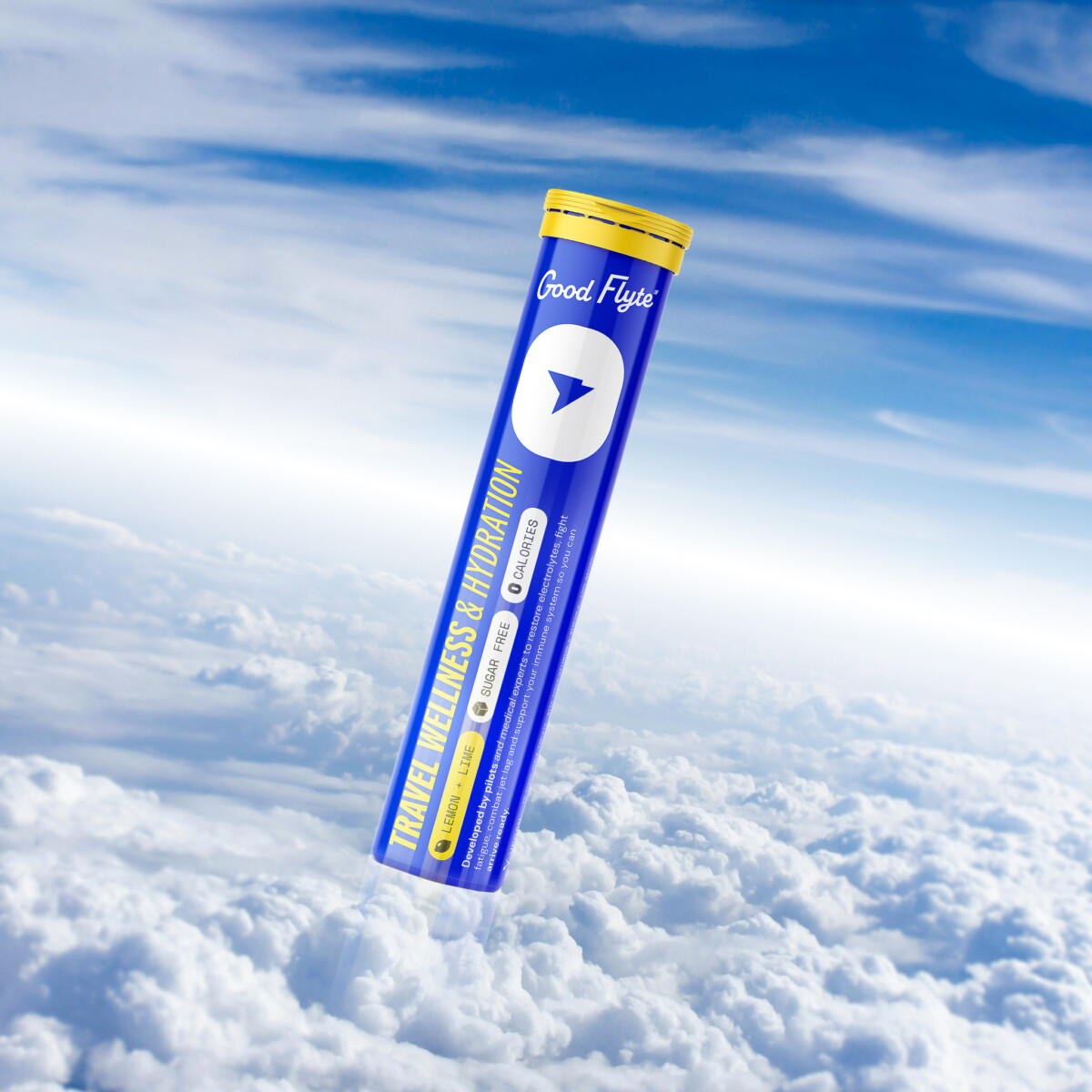
Hydration is the foundation, but it’s not the whole story. B vitamins help reduce tiredness and fatigue, while vitamins C and D support normal immune function. Useful when you’re sharing air with hundreds of people. Many travellers accept “post‑trip burnout” as inevitable, but supporting your immune system in transit makes a noticeable difference.
Keep moving
Long periods of stillness slow circulation and increase fatigue. Walk the cabin when you can, stretch at your seat, and when you land, resist the urge to collapse immediately. A short walk in daylight does more for your recovery than a nap that derails your first night’s sleep.
Use light strategically
Light is the strongest signal for resetting your internal clock. Morning light helps if you’ve flown east; late‑afternoon light helps if you’ve flown west. In the evening, avoid bright screens, they tell your brain it’s still daytime.
Protect your first night
Your first night sets the tone for the entire trip. Try to stay awake until a sensible local bedtime, keep your room cool and dark, and treat that first proper sleep as part of the job.
The bottom line
You can’t eliminate jet lag entirely, but you can remove most of what makes it disruptive. Adjust early, manage your light exposure, keep moving and above all, stay properly hydrated with the right electrolyte balance. Do that, and you give yourself the best chance of stepping off the plane ready to perform.
About the experts
 Nick Dighton and Matthew Sailsbury are the co‑founders of Good Flyte, created with travel‑health and aerospace experts to support hydration and recovery in the cabin. Learn more at goodflyte.com.