By Marten Lewis, Director of Sustainability at Bluestone National Park Resort.
Think putting rubbish in the recycling is best for people and planet? Think again. Recycling is a good first step for many, but it isn’t the cure-all we are often led to believe.
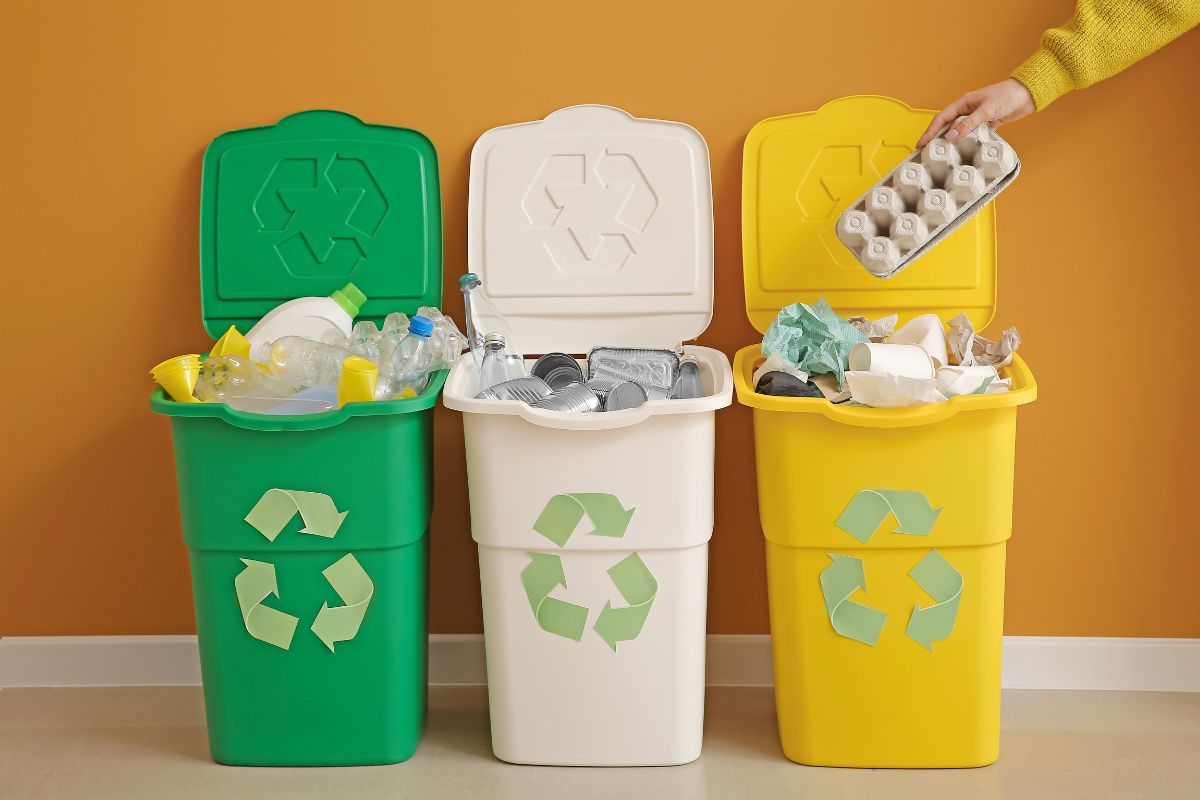
It requires huge amounts of energy and chemicals, often resulting in waste being shipped abroad to be burned or landfilled. In fact, putting rubbish in the recycling bin should be seen as a last resort; it’s only one step better than incineration or landfill. In order to best address the climate emergency we must move to a circular economy where we buy less, keep resources in use as long as possible, and take responsibility for end of product life, rather than the historic linear economy of, make, buy, use, dispose.
Let’s not buy the often peddled message that recycling alone can solve our waste problems. In reality, mixed recycling often fails. Just one dirty non-recyclable item mistakenly placed into a recycling bin can spoil a whole batch, diverting it to incineration or landfill. Wales is a global leader in segregating recyclables. I have seven streams of waste that are collected at the kerbside, which has been transformative in terms of progressing the waste culture in my country.
Plastic recycling has a limit; each cycle downgrades its quality, often it can only be recycled twice, and some plastics can’t be recycled at all; black plastic, straws, and cutlery are often rejected in the process. Not all paper is recyclable; receipts, tissues, shredded paper, used food boxes usually can’t be recycled. Many tins are lined with non-recyclable coating. The apparent solution of using recycling bins is not as simple as it seems.
Real change requires governments and businesses to rethink design and production, embrace and encourage a circular economy. At Bluestone National Park Resort we welcome nearly 200,000 guests each year, many coming from areas with very different recycling practices. We take the time to communicate with arriving families to help them understand our seven step approach, where the recycling bin is the very last option. These steps have been tailored here to work just as well at home:
Step 1: Rethink
Learn what a circular economy is and question your habits. Small choices add up: does your broccoli really need to come in packaging, or even a paper bag? Where does your old mobile phone handset go and do you really need a new one?
Step 2: Refuse
Set ground rules. Carry a refillable bottle or cup. Don’t take the recycling symbol at face value, it often means ‘made from recycled materials’, ‘is only recyclable at hard to reach facilities’; and is most often not ‘infinitely recyclable’.
Step 3: Reuse
Zero waste shops are on the rise. Have you visited one yet? Take your own containers for cereals, cleaning products, or toiletries. Reuse jars, bottles and boxes whenever possible.
Step 4: Reduce
The best waste is no waste. Buy only what you need, cut back on packaging and choose products that are designed to last.
Step 5: Repair
Patch worn out clothes, fix don’t throw tired toys, mend last year’s decorations. Extending the life of items saves money and resources.
Step 6: Repurpose
Get creative: turn jars into storage, clothes into cloths, or old furniture into something new. Swap shops, upcycling, and resale platforms are all great for giving items a second life.
Step 7: Remember
Pass the message on to younger generations. Explore the concept of throwing something away. Where is ‘away’? Does ‘away’ really exist? Everything goes somewhere, and our choices matter.
The bottom line is – second to general waste – recycling bins should be used as a last resort. The real challenge is consuming more consciously; considering and reconsidering purchases, cutting waste and keeping materials in circulation wherever possible. When recycling can’t be avoided, check local authority guidelines because rules can vary, especially for items like batteries, bags and mixed plastics – Wales has a different recycling policy to England, Scotland and Northern Ireland; permitting nappies to be recycled, for instance. By rethinking our habits and following the seven steps, we can shift from a throwaway culture towards a more sustainable one. We all have a part to play when it comes to conscious consumption.
About the expert
Environmental scientist, Marten Lewis, is the director of sustainability at Bluestone National Park Resort in Pembrokeshire, Wales. Disengaged by traditional academia, Marten, who left school with no qualifications, was drawn to environmental science as a mature student, achieving a first-class science degree and Masters in Business Management.
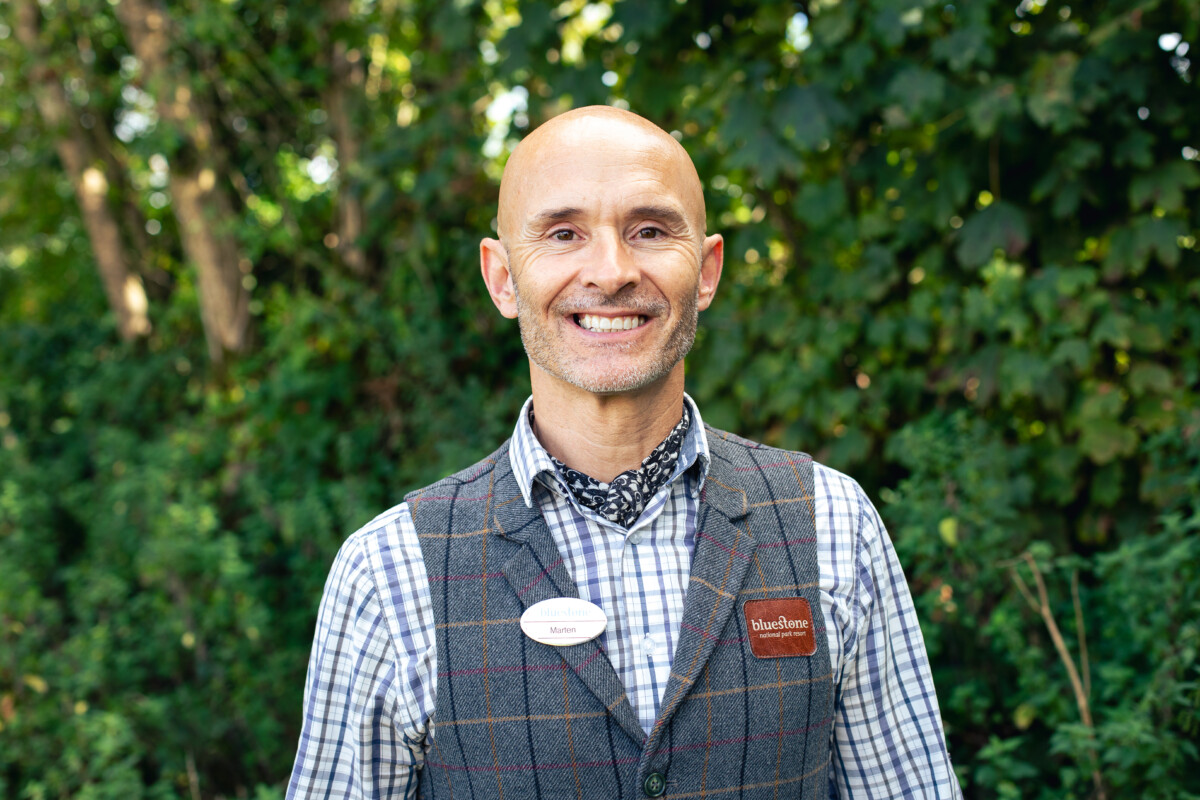
As a third sector leader he developed an environmental science engagement programme for schools – the Darwin Experience – which has engaged over 50,000 individuals and been running for 20 years and counting. Since transitioning to the private sector Marten has led Bluestone in decarbonising energy, achieving a King’s Award for Sustainable Development and been named as one of Wales’ 100 Changemakers by the Future Generations Commissioner.